Fish & Koi Cremation in Utah
Whether it was a prize koi or a goldfish from the school fair, you deserve a clear answer. Here's what fish aftercare looks like in Utah, step by step.
- Freezer tips so nothing is rushed
- Private or communal cremation explained
- Help keeping the rest of the pond safe
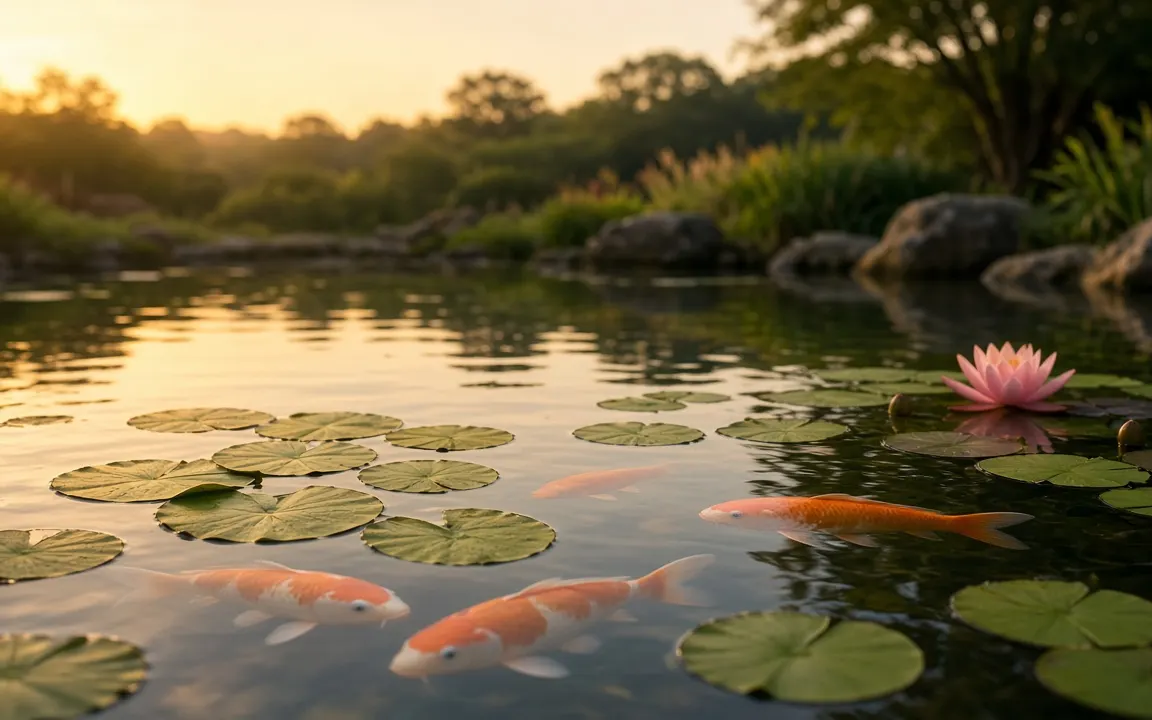
Utah, the United States
Fish & Koi Cremation in Utah: what to know
Finding someone to cremate a fish in Utah usually starts with your vet or a local pet crematory, but it's worth asking directly whether they accept fish, because not all do. Fish stores and koi clubs across Utah often know which providers other keepers trust. Freezing your fish first means none of this has to be rushed.
Whether you're in a big city apartment or on a rural property in Utah, the first steps after a fish dies are the same. Lift it out, seal it and freeze it. Test the water and check the others. Then decide calmly between private cremation, communal cremation and a burial, based mostly on your fish's size.
We cover 52 communities in Utah, from Salt Lake City, West Valley City and West Jordan to smaller towns. Conditions vary a lot across Utah: summer highs reach about 100°F in Hurricane, while winter lows average 13°F in Heber. In 98% of the Utah communities we cover, average lows drop below freezing for three months or more, which matters for home burial.

Every Utah community we cover
Choose your city or town for local prices, weather and timing, and rules. 52 communities in Utah, largest first below.
- Salt Lake City218,428 people
- West Valley City137,491 people
- West Jordan116,812 people
- Provo114,527 people
- St. George108,713 people
- Lehi95,313 people
- Orem95,214 people
- Sandy92,386 people
S
Local attitudes to cremation
Only about 46.1%[1] of people in Utah are cremated, so burial remains the local tradition. For fish, that usually means a small grave in the garden, which is simple and kind for most tank fish. Cremation is still available through vets and pet crematories, though, and it becomes more attractive for a large koi you'd like to keep close, or if you rent and might move.
We take the Utah percentage from NFDA 2024 Cremation & Burial Report state projections (via Occasional Sage) (2024). It refers to people; attitudes to cremating a pet tend to follow it.
Paying for a fish's goodbye in Utah
Expect to pay the provider's small-pet minimum for your fish in Utah. PetMD says US communal cremation starts from about $50[2], and Embrace Pet Insurance gives wider national ranges for private cremation and aquamation, shown below. Before you pay for a private cremation, ask how much ash the provider expects to return. Cremated remains usually weigh about 3-5% of body weight[3], and a fish can come in at the low end of that.
Where a Utah provider offers water cremation, ask for both of its versions. By our estimate, private aquamation runs about two and a half times the price of communal aquamation at the same provider[4]. The process uses roughly the water of 1–3 pet baths[5], according to the Veterinary Sustainability Alliance, which appeals to many people saying goodbye to a water animal. What comes back is a soft white powder instead of grey ash, and the national price bands appear in the table below.
| Service | Typical US price | Which fish it suits |
|---|---|---|
| Communal cremation, pets up to 30 lb | $45 to $75 | Any fish, when ashes aren't needed |
| Private cremation, pets up to 30 lb | $100 to $175 | Koi, pond goldfish, large tropicals |
| Water cremation (aquamation) | $80 to $450 | Any size, where offered |
| Source | CareCredit cost guide; Embrace Pet Insurance | Excludes collection, urns and keepsakes |

Free tool
Cremation cost calculator
Estimate a realistic price range for your pet's size, location and the type of cremation.
Local rules in Utah
Ashes from a fish are mostly bone mineral, and scattering them is rarely regulated on your own land. Tipping them into a pond that still holds fish can cloud the water, so many keepers scatter around the edge instead. Public lakes, rivers and parks are a different matter: the body that manages them can set its own rules. Here's what applies in Utah.
- Burial at home: Confirm the rule for the actual parcel and proposed burial with the local authority and property owner.
- Scattering ashes: Ask the exact land manager about scattering before making arrangements; a general gathering permission is a separate matter.
- Who oversees it: the authority responsible for the specific activity and location; this guide does not identify a universal permit or licensing rule
- Worth knowing: Record the service method, release authority, identification and return instructions in writing.
A city's population does not establish which aftercare activities are allowed at an address. Check the actual site and activity before proceeding.
County and city offices set many of the local rules. To find yours, start with the official Utah local government directory.
A checklist for Utah fish keepers
- Remove the fish from the pond or tank promptly, and with no delay at all if it's warm out.
- Count your stock and look for a cause: a heron, a pump failure, a hot still night or a sudden water problem.
- Fix the water first: add aeration, do a partial water change if readings are off and hold off feeding for a day.
- Freeze the fish you lost, each one in its own sealed bag if you want them cremated separately.
- Decide whether you want ashes back. When you don't, a communal cremation or a burial at a good distance from the pond is a simple, kind choice.
- Ask for a written quote with collection, the cremation itself and the container itemized.
- Mark the loss with a stone by the pond, a water plant or a note in your fish log.
Memorials that suit a fish
A fish's memorial doesn't have to be at home. Some families donate to a local aquarium society, a school science club or a river cleanup group in their fish's name. It's a quiet way of turning a small loss into something useful for the next generation of fish keepers in Utah.
If Utah is not quite where you are, all locations has the rest. Otherwise the services page, the tools and the poll results are the useful next stops.

Reader polls
What would you choose?
Vote anonymously and see how other readers answered. The results are live counts from people who visit this site, so they show real opinions, not a scientific sample.
Which memorial feels right for a fish?
Tap an answer to vote and see how others answered. Anonymous.
How long had you kept the fish you lost, or your oldest fish now?
Tap an answer to vote and see how others answered. Anonymous.
If you had to decide today, which aftercare would you choose for your pet?
Tap an answer to vote and see how others answered. Anonymous.

Free tools to help you plan
Cremation cost calculator
Estimate a realistic price range for your pet's size, location and the type of cremation.
Ashes weight estimator
See roughly how much ash to expect back, by species and body weight.

Aftercare options compared
Compare private, communal and water cremation with burial on cost, timing and what comes home.
Questions people ask
Is pet cremation common in Utah?
For people, about 46.1%[1] of deaths in Utah end in cremation, and pet aftercare tends to follow local habits. For fish, the choice depends more on size than on custom: larger fish are often cremated, while small tank fish are commonly buried.
What's the cheapest respectful goodbye for a fish in Utah?
A garden or planter burial costs almost nothing and gives you a place to visit. If you'd rather not bury, ask your vet whether they include small pets in a communal cremation, usually the lowest-cost cremation available. A photo or plant memorial needs no ash at all.
Why do pond fish die in hot weather in Utah?
Warm water holds less oxygen, and on hot, still nights levels drop lowest around dawn. In hot parts of Utah, such as Hurricane where summer highs average about 100°F, an air pump or fountain helps, and a dead fish should be removed and frozen promptly.
How much does fish cremation cost in Utah?
A fish nearly always falls in the smallest weight band, so expect the provider's minimum price for a small pet. Communal cremation is cheaper and returns no ashes. Home collection, urns and keepsakes add to the total. Ask for an itemized written quote, and ask what they'd return for your fish's size before paying for a private cremation.
Do pet crematories in Utah accept fish?
Many do, particularly for larger fish such as koi and pond goldfish. Some decline very small fish because there's nothing meaningful to return, or offer communal cremation or a symbolic return instead. Call ahead with your fish's length and weight and ask what they'd expect to give back.
How many communities do you cover in Utah?
We currently have local fish aftercare guides for 52 communities in Utah, including Salt Lake City, West Valley City and West Jordan. Each page covers local weather and timing, prices, rules for burial and scattering, and how to find a provider that accepts fish.

Sources and our estimates
- [1] The NFDA projected Utah's cremation rate at 46.1% for 2024. NFDA 2024 Cremation & Burial Report state projections (via Occasional Sage), 2024.
- [2] PetMD says US group (communal) cremation costs from about $50 and private cremation from about $100. PetMD - Pet Euthanasia: How Much Does It Cost? (July 2025), 2025.
- [3] Embrace notes cremated remains typically weigh about 3-5% of the pet's original body weight. Embrace Pet Insurance - Bury or Cremate Your Dog? Costs, Pros & Cons, 2025.
- [4] Private pet aquamation costs about 2.5 times communal aquamation at the same provider. Our estimate: mean of tier ratios 150/50, 200/75, 250/100, 350/150, 450/225. How we calculate.
- [5] Aquamation uses about the same water per pet as 1–3 pet baths. Veterinary Sustainability Alliance — Aquamation, 2024.
- [6] A koi (30-40 years) can be expected to live about 5.4 times as long as a typical goldfish (6-7 years). Our estimate: 35 / 6.5 (range midpoints). How we calculate.
Get fish cremation options in Utah
Tell us what you need and where you are. We'll reply by email with clear options and prices so you can decide in your own time.