Fish & Koi Cremation in British Columbia
Lift your fish out, wrap it and put it in the freezer: that gives you time. Then use this page to weigh cremation, burial and keepsakes for a fish in British Columbia.
- Providers that actually accept fish
- Honest ash estimates before you pay
- Gentle options for tiny tank fish
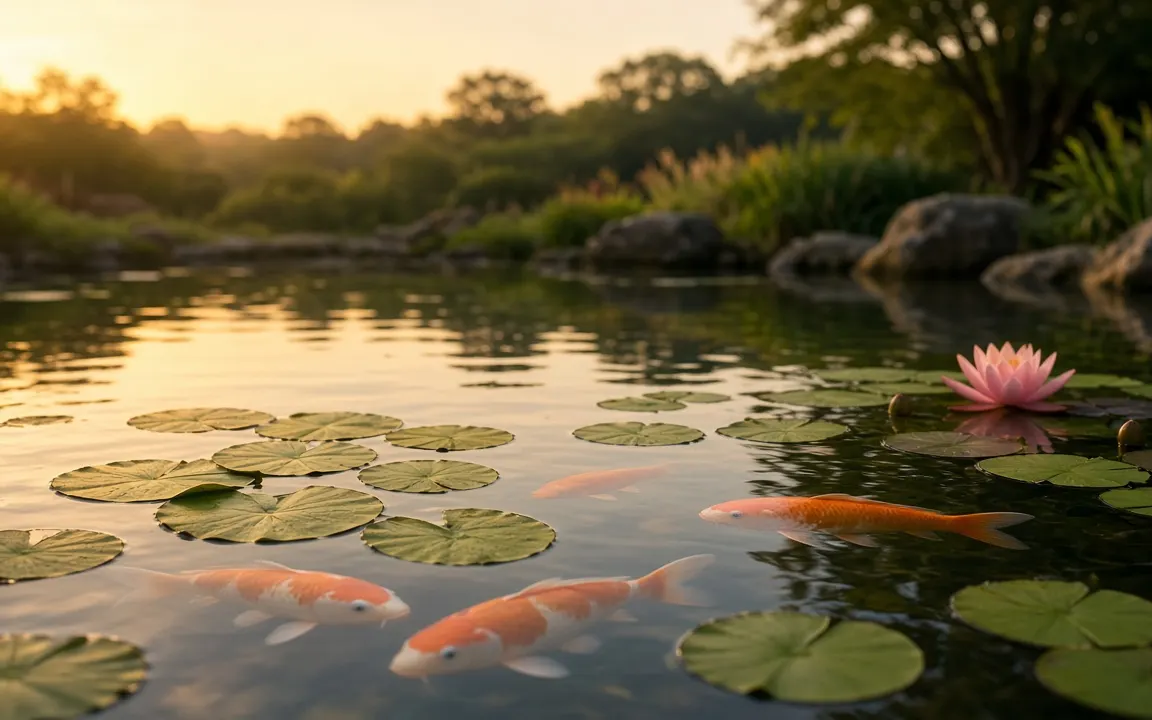
British Columbia, Canada
Fish & Koi Cremation in British Columbia: what to know
Families across British Columbia say goodbye to fish in different ways. Some cremate a long-lived koi and keep the ashes by the pond; many bury a small tank fish in the garden or in a planter; others choose communal cremation through a vet. All of them are kinder than flushing, which can carry parasites and bacteria into local water.
In British Columbia, as elsewhere, the most important rule for fish keepers is about living fish: don't release them, and don't empty a pond or tank into a creek, lake or drain. Non-native fish can spread disease and crowd out wildlife. For fish that have died, burial and cremation are both straightforward; the local rules below cover the details.
We cover 6 communities in British Columbia, from Vancouver, Surrey and Kelowna to smaller towns.

Every British Columbia community we cover
Choose your city or town for local prices, weather and timing, and rules. 6 communities in British Columbia, largest first below.
How British Columbia thinks about cremation
Urns and keepsakes are easy to buy in British Columbia, where cremation is the choice for about 87%[1] of people, but most are sized for a cat or a dog, and a fish's ashes can look lost inside them. Look for a keepsake urn of a few cubic inches, a glass heart or a small wooden box. The urn size calculator helps if you're unsure. For a large koi, one small urn indoors and a pinch saved for the garden often works well.
We take the British Columbia percentage from DFS Memorials 'Cremation Nation' (estimate citing CANA) (2025). It refers to people; attitudes to cremating a pet tend to follow it.
Budgeting for a koi or tank fish in British Columbia
Published Canadian prices are often quoted before GST or HST[2], so ask a provider serving British Columbia for the after-tax total. Every fish falls into the lowest band, which means the base price barely moves between a goldfish and a koi; extras such as collection, an engraved urn or a paw-print style keepsake are what push a bill up. The cost calculator helps you see which extras you actually want before you call.
Some Canadian humane societies bundle euthanasia with communal cremation for cats and dogs; the Hamilton/Burlington SPCA lists CAD 225 to 275 for cats[3]. Few advertise anything for fish, but it's worth asking a local humane society or your vet whether a fish can join their shared cremation. In British Columbia, that is often the lowest-cost respectful route when you don't need ashes back.
| Provider example | Private | Communal |
|---|---|---|
| Vancouver Island (0–20 lb) | CAD 195 | n/a |
| Ontario (under 25 lb) | CAD 449 | CAD 199 |
| Note | Prices exclude tax | A fish falls in the smallest band |

Free tool
Cremation cost calculator
Estimate a realistic price range for your pet's size, location and the type of cremation.
The legal side of losing a fish in British Columbia
Fish aftercare touches fewer rules than a dog or horse, but a few are worth knowing. Burying on rented land needs the owner's agreement. Scattering ashes into open water can need permission from whoever manages it. And releasing live fish, or pouring out a pond, is illegal in many places because of invasive species. Here's the local picture for British Columbia.
Across Canada, long winters shape fish aftercare. Garden ponds freeze over, fish overwinter under the ice and losses are often found at the spring thaw. Frozen ground means many families keep a fish in the freezer until spring. Most provinces restrict releasing non-native fish, so never empty a pond or tank into local water.
- Burial at home: Confirm the rule for the actual parcel and proposed burial with the local authority and property owner.
- Scattering ashes: Ask the exact land manager about scattering before making arrangements; a general gathering permission is a separate matter.
- Who oversees it: the authority responsible for the specific activity and location; this guide does not identify a universal permit or licensing rule
- Worth knowing: Record the service method, release authority, identification and return instructions in writing.
A city's population does not establish which aftercare activities are allowed at an address. Check the actual site and activity before proceeding.
Step by step, from tank to goodbye
- Take a breath. Nothing has to happen in the next hour once your fish is out of the water.
- Wrap your fish in a damp paper towel or cloth, seal it and label it so no one in British Columbia gets a shock at the freezer.
- Check on the survivors: aeration, filter, heater and a water test. If more than one fish looks unwell, call a vet who sees fish.
- Ask your vet or a local fish store which crematories near British Columbia accept fish.
- Choose private, communal or a burial, and ask for a written total before you agree.
- Drop your fish off in a cooler with ice packs, or arrange a pickup when a large koi is too heavy to lift and carry on your own.
- Plan a small goodbye, above all when children knew the fish: a picture they draw, a painted stone or something planted there.
Keeping your fish part of the family story
A traditional Japanese fish print, gyotaku, can be made from a photo rather than the fish itself, and some artists will paint one of your koi from pictures. It's a striking way to remember a fish with distinctive markings. Others in British Columbia keep a scale shed in the pond or the fish's name on a small plaque.
Compare every option on our services page, try the free planning tools or see how other readers answered in our polls. You can also go back to all locations.

Reader polls
What would you choose?
Vote anonymously and see how other readers answered. The results are live counts from people who visit this site, so they show real opinions, not a scientific sample.
Which memorial feels right for a fish?
Tap an answer to vote and see how others answered. Anonymous.
Before reading about it, what did you think happens to a flushed fish?
Tap an answer to vote and see how others answered. Anonymous.
If you had to decide today, which aftercare would you choose for your pet?
Tap an answer to vote and see how others answered. Anonymous.

Free tools to help you plan
Cremation cost calculator
Estimate a realistic price range for your pet's size, location and the type of cremation.
Ashes weight estimator
See roughly how much ash to expect back, by species and body weight.

Aftercare options compared
Compare private, communal and water cremation with burial on cost, timing and what comes home.
Questions people ask
Why do pond fish die in hot weather in British Columbia?
Warm water holds less oxygen, and on hot, still nights levels drop lowest around dawn. In hot parts of British Columbia, such as British Columbia where summer highs average about °F, an air pump or fountain helps, and a dead fish should be removed and frozen promptly.
Where can I find out why my fish died in British Columbia?
An aquatic vet is the best first stop, and pond clubs or aquarium shops generally know one. Some university vet schools and fish health labs also examine samples. Keep the body chilled in the fridge rather than frozen and call quickly, since ice crystals ruin the tissue a pathologist needs. Knowing the cause can protect the fish you still have.
How long does it take to get a fish's ashes back in British Columbia?
Many families receive private cremation ashes within one to two weeks. In rural areas, where small pets travel to a regional crematory on a set schedule, it can take a little longer. Ask for an expected return date when you book.
Can I keep a koi's ashes outdoors by the pond in British Columbia?
Yes, if the container can cope with the weather. Choose a sealed, frost-proof urn in stone, metal or glazed ceramic, or place a small inner urn inside a hollow garden ornament. Ordinary wood and unglazed pottery crack in freezing weather and fade in strong sun. Set it on a firm base away from the splash zone, and consider burying most of the ashes and keeping only a little on display.
Do winters in British Columbia affect fish burial?
In the colder parts of British Columbia, frozen ground can make digging impossible for months. Keep your fish sealed in the freezer until spring, or arrange cremation in the meantime. In British Columbia, one of the coldest places we cover, average winter lows reach about °F.
Do pet crematories in British Columbia accept fish?
Many do, particularly for larger fish such as koi and pond goldfish. Some decline very small fish because there's nothing meaningful to return, or offer communal cremation or a symbolic return instead. Call ahead with your fish's length and weight and ask what they'd expect to give back.

Sources and our estimates
- [1] British Columbia's cremation rate is estimated at about 87%, the highest in Canada. DFS Memorials 'Cremation Nation' (estimate citing CANA), 2025.
- [2] A Vancouver Island crematorium lists private cremation at CAD 195 (0-20 lb), CAD 255 (41-60 lb) and CAD 315 (81-100 lb), excluding GST. Vancouver Island Animal Crematorium - Pet Cremation Rates, 2026.
- [3] The Hamilton/Burlington SPCA bundles euthanasia plus communal cremation at CAD 225-275 for cats and CAD 240-475 for dogs (plus HST). Florence (Ontario) - How Much Does Pet Euthanasia and Cremation Cost in Ontario? 2026 Guide, 2026.
- [4] Private pet aquamation costs about 2.5 times communal aquamation at the same provider. Our estimate: mean of tier ratios 150/50, 200/75, 250/100, 350/150, 450/225. How we calculate.
Get fish cremation options in British Columbia
Tell us what you need and where you are. We'll reply by email with clear options and prices so you can decide in your own time.