When a fish you love dies in Vancouver
Not every crematory near Vancouver accepts fish, and the smallest ones leave little to return. We'll help you find the right option and ask the right questions.
- Pond and aquarium fish both covered
- Water cremation where it's offered
- Kind ways to explain it to children
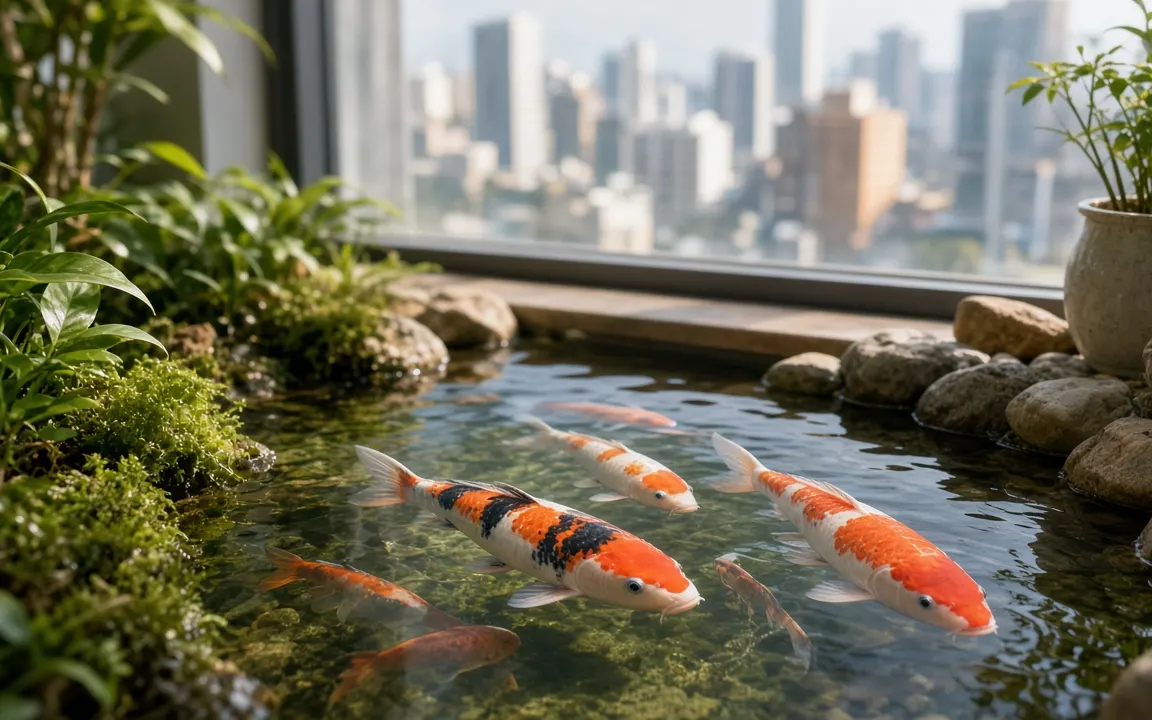
Vancouver, British Columbia
Koi, goldfish and tank fish: the Vancouver picture
Many Vancouver pets live in condos and apartments, from the West End's towers to newer buildings along the Cambie and Broadway corridors. Strata bylaws, elevators and underground parking all shape how a pet can be moved. When you ask for aftercare options, mention your building, floor and any loading area. The city's street crews pick up deceased animals on public property only; owned pets are excluded, so private aftercare is the route for your own animal.
Vancouver's climate is mild and wet, with rain most of the fall and winter and dry, warm summers. In the cool months, you usually have a little time to arrange collection, but keep your pet in the coolest room, wrapped in a towel. In summer heat waves, like the 2021 heat dome, cool the body quickly with ice packs and fans.
Getting a fish to a provider in a busy city takes a little planning. A frozen koi is heavy and awkward, so put the bag inside a small cooler with ice packs, and take a car or cab rather than public transport. If you're dropping a small tank fish at a vet, a lidded tub inside a paper bag is enough. Call ahead so someone at the front desk expects you and you don't have to explain at the counter.
With roughly 631,000 residents, Vancouver is the largest of the 6 British Columbia communities we cover.
Nearby, we also have local pages for North Vancouver (3 miles), West Vancouver (6 miles) and Surrey (19 miles), which can help if your vet or the provider you prefer is based there.
87%[1]
British Columbia's cremation rate is estimated at about 87%, the highest in Canada.
10 million[2]
About 10 million US households keep freshwater fish.
13%[3]
13% of UK households keep an indoor fish tank.
3-5% of body weight[4]
Embrace notes cremated remains typically weigh about 3-5% of the pet's original body weight.
To check the figures yourself, see Embrace Pet Insurance and UK Pet Food (formerly PFMA) Pet Population 2026.
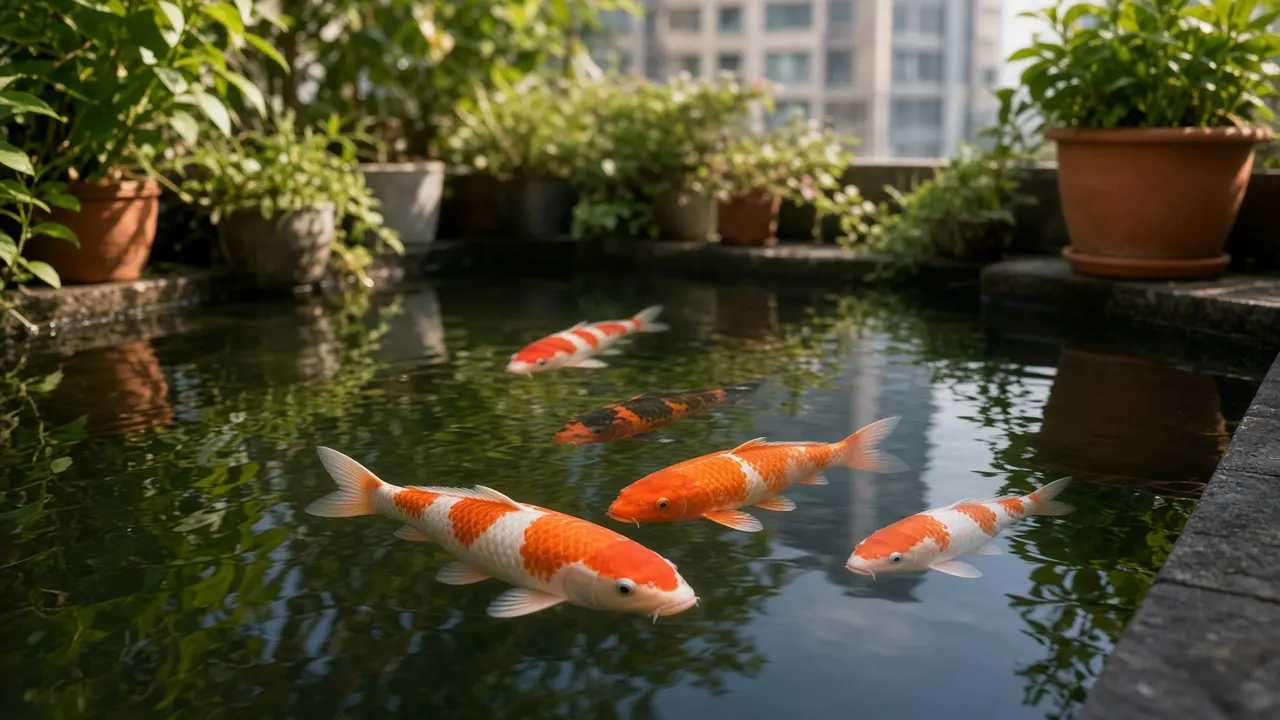
Cremation, custom and the family fish in British Columbia
Cremation is the norm in British Columbia, where about 87%[1] of people are cremated. That doesn't make it the right choice for every fish. A tiny tank fish may leave nothing you could collect, and many families here pair a communal cremation or a garden burial with a memorial that needs no ash at all: a photo print, a plant or a favorite ornament from the tank. What matters is that the goodbye fits the fish.
The British Columbia percentage above is from DFS Memorials 'Cremation Nation' (estimate citing CANA) (2025) and refers to human funerals. Treat it as context for Vancouver, not as a count of pets.
Timing a fish's aftercare in Vancouver's climate
Outdoor goodbyes for a fish depend on the weather, but they don't have to happen straight away. Many families in Vancouver keep a fish frozen, or keep a larger fish's ashes indoors, until a calm, dry day for a small ceremony by the pond or in the garden. Choose a day that suits the people who loved the fish.
Why a small fish still has a minimum price
Some Canadian humane societies bundle euthanasia with communal cremation for cats and dogs; the Hamilton/Burlington SPCA lists CAD 225 to 275 for cats[5]. Few advertise anything for fish, but it's worth asking a local humane society or your vet whether a fish can join their shared cremation. In Vancouver, that is often the lowest-cost respectful route when you don't need ashes back.
Prices for Vancouver track the wider British Columbia market, so use the British Columbia price table as your baseline and the services page to see what is included.

Free tool
Cremation cost calculator
Estimate a realistic price range for your pet's size, location and the type of cremation.
Burial, scattering and release rules in British Columbia
Most of the decisions after a fish dies are yours to make. The exceptions are burial, scattering and anything that involves open water. Flushing is a poor idea everywhere: fish can carry parasites and bacteria, and not every drain leads to full treatment, especially during heavy rain. Here's what applies in British Columbia for burial and scattering.
For what Vancouver itself says, see City of Vancouver. Its pages cover municipal collection; a private cremation is arranged separately.
Across Canada, long winters shape fish aftercare. Garden ponds freeze over, fish overwinter under the ice and losses are often found at the spring thaw. Frozen ground means many families keep a fish in the freezer until spring. Most provinces restrict releasing non-native fish, so never empty a pond or tank into local water.
For British Columbia's rules on burying a pet at home or scattering ashes, see the British Columbia guide. Local rules in Vancouver can be stricter than the state's, especially in homeowners' associations and rentals.
A checklist for Vancouver fish keepers
- Make sure. Give it a full minute and look for any movement at the gills or fins. Cold, shock or plain exhaustion can leave a fish motionless on the bottom when it's still alive.
- Lift your fish out with a net once you're certain; left in the tank, it will start to spoil the water for the rest.
- Seal it in a bag or tub, press the air out and freeze it. Chill it in the fridge instead if you want a vet to find out why it died.
- Test the water the same day for ammonia, nitrite, pH and temperature, and watch the remaining fish closely.
- Decide by size. A koi or large goldfish suits private cremation; a small tank fish often suits a burial, a planter or communal cremation.
- Call a provider and ask what they'd return for your fish's length and weight, and get the total in writing.
Ways to mark the spot
Stanley Park, English Bay, the North Shore mountains and Pacific Spirit Park are all close to home in Vancouver, and many families spent time outdoors with their pets in those places. Human cremation in British Columbia is among the highest in Canada, and pet cremation with ashes returned is the usual choice here, with some families keeping everything at home and others taking a little somewhere meaningful.
The services page is the place to compare what is included, or look at how readers voted in our polls, there are guides for the big decisions and articles for the details, run the numbers with the free planning tools. Close to Vancouver we also cover West Vancouver, Surrey, Kelowna and North Vancouver; the full list for British Columbia and for Canada is a click away.

Reader polls
What would you choose?
Vote anonymously and see how other readers answered. The results are live counts from people who visit this site, so they show real opinions, not a scientific sample.
Which memorial feels right for a fish?
Tap an answer to vote and see how others answered. Anonymous.
Was a fish your child's first pet?
Tap an answer to vote and see how others answered. Anonymous.
If you had to decide today, which aftercare would you choose for your pet?
Tap an answer to vote and see how others answered. Anonymous.

Free tools to help you plan
Cremation cost calculator
Estimate a realistic price range for your pet's size, location and the type of cremation.
Ashes weight estimator
See roughly how much ash to expect back, by species and body weight.

Aftercare options compared
Compare private, communal and water cremation with burial on cost, timing and what comes home.
Questions people ask
How do British Columbia attitudes to cremation compare?
DFS Memorials 'Cremation Nation' (estimate citing CANA) (2025) puts the British Columbia human cremation rate at about 87%[1]. We show it on the Vancouver page because pet aftercare choices tend to track it: where cremation is normal for people, communal and private pet cremation are both easy to find.
Which nearby towns can I compare with Vancouver?
The closest communities we cover are North Vancouver (about 3 miles), West Vancouver (about 6 miles) and Surrey (about 19 miles). Providers based in those places often serve Vancouver too. Ask each one for a written total that includes collection, so the distance is priced in.
Is it okay to flush a dead fish?
It's better not to. Fish can carry parasites and bacteria that shouldn't reach rivers, and wastewater isn't always fully treated, especially during storms. Never flush a fish that might still be alive. Burying it in the garden or a planter, or freezing it until you arrange cremation, is kinder and safer, and children often find a small burial less upsetting than a flush.
Can two fish be cremated together?
Yes, if you'd like their ashes mixed. Tank mates or a pair of koi that always swam together are sometimes cremated side by side, and many families find that comforting. Tell the provider clearly, because a private cremation normally means one animal. If you'd rather keep each fish's ashes separate, bag and label them individually before freezing and ask whether separate cremations cost more.
Can I scatter a fish's ashes on a frozen lake in British Columbia?
Think twice. Ashes on ice end up in the water at the spring thaw, so treat it the same as scattering into the lake itself. Some lakes are drinking-water sources or have their own rules. Scattering around your garden pond, under a shrub or in a planter avoids the question entirely. If you want a lake, wait for open water, choose a quiet spot away from swimmers and check with whoever manages it.
Can I freeze my fish over a Canadian winter and bury it in spring?
Yes, and many families do. Seal the fish in a bag, press the air out, wrap it and label it. It will keep perfectly well in the freezer until the ground thaws. Some families plant a shrub or flowers over the spot in spring, which turns the burial into something to look forward to.


Sources and our estimates
- [1] British Columbia's cremation rate is estimated at about 87%, the highest in Canada. DFS Memorials 'Cremation Nation' (estimate citing CANA), 2025.
- [2] About 10 million US households keep freshwater fish. American Pet Products Association (APPA) 2025 National Pet Owners Survey release, 2025.
- [3] 13% of UK households keep an indoor fish tank. UK Pet Food (formerly PFMA) Pet Population 2026, 2026.
- [4] Embrace notes cremated remains typically weigh about 3-5% of the pet's original body weight. Embrace Pet Insurance - Bury or Cremate Your Dog? Costs, Pros & Cons, 2025.
- [5] The Hamilton/Burlington SPCA bundles euthanasia plus communal cremation at CAD 225-275 for cats and CAD 240-475 for dogs (plus HST). Florence (Ontario) - How Much Does Pet Euthanasia and Cremation Cost in Ontario? 2026 Guide, 2026.
- [6] Private cremation cost per pound falls with size in the US: roughly $9.2/lb for a 15 lb pet, $4.2/lb at 60 lb and about $4.0/lb at 100 lb. Our estimate: band midpoint price / representative weight: 0-30 lb (midpoint $137.50 / 15 lb) = $9.17/lb; 51-70 lb ($250 / 60 lb) = $4.17/lb; over 90 lb ($400 / ~100 lb) = $4.00/lb. How we calculate.
Find a Vancouver provider that accepts fish
Tell us what you need and where you are. We'll reply by email with clear options and prices so you can decide in your own time.