Biodegradable urns and plantable memorials for fish
A large koi's ashes can go into a water-soluble urn at a lake or sea where local rules allow, or into a bio urn with a tree. A small tank fish usually doesn't need an urn at all, and ashes should never go into your own pond.
By the Fish Cremation & Memorial Services editorial team · Updated September 24, 2026 · 5 min read · Sources
- Water urns and bio urns, with posted prices
- Why your own pond is the wrong place for ashes
- Plantable ideas for fish that leave no ash
The short answer
Does a fish need a biodegradable urn at all?
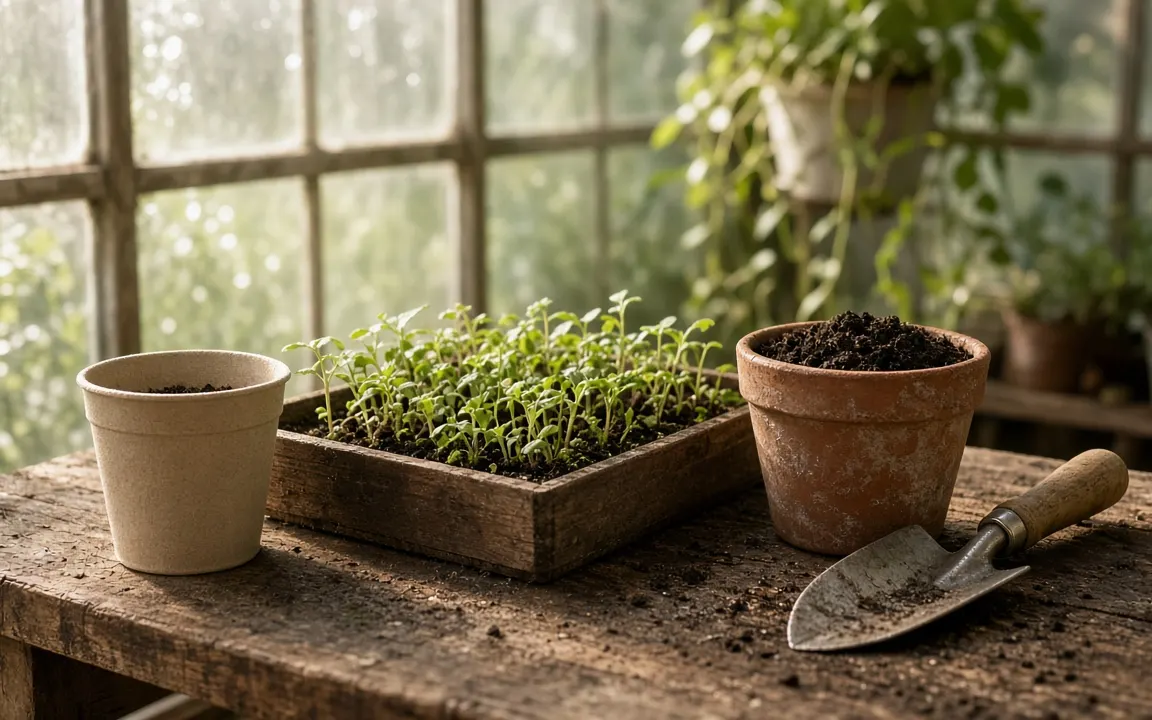
Only if there's enough ash to hold. A big koi returns a real amount, so a water-soluble urn for a lake or sea, or a bio urn planted with a tree, are both lovely ways to let it go. A betta, guppy or small goldfish usually leaves so little that an urn would sit almost empty, and a plantable memorial without ash often suits better.
Two rules hold for every fish: don't put ashes into the pond or tank where other fish live, and don't release a body into any water. The sections below explain why, what each biodegradable option costs and how to use ash in soil without harming the plant you're growing.
Not sure what your fish will return? Start with our guide to how much ash a fish leaves, then come back here.
What's out there
What biodegradable urns suit a fish, and what do they cost?
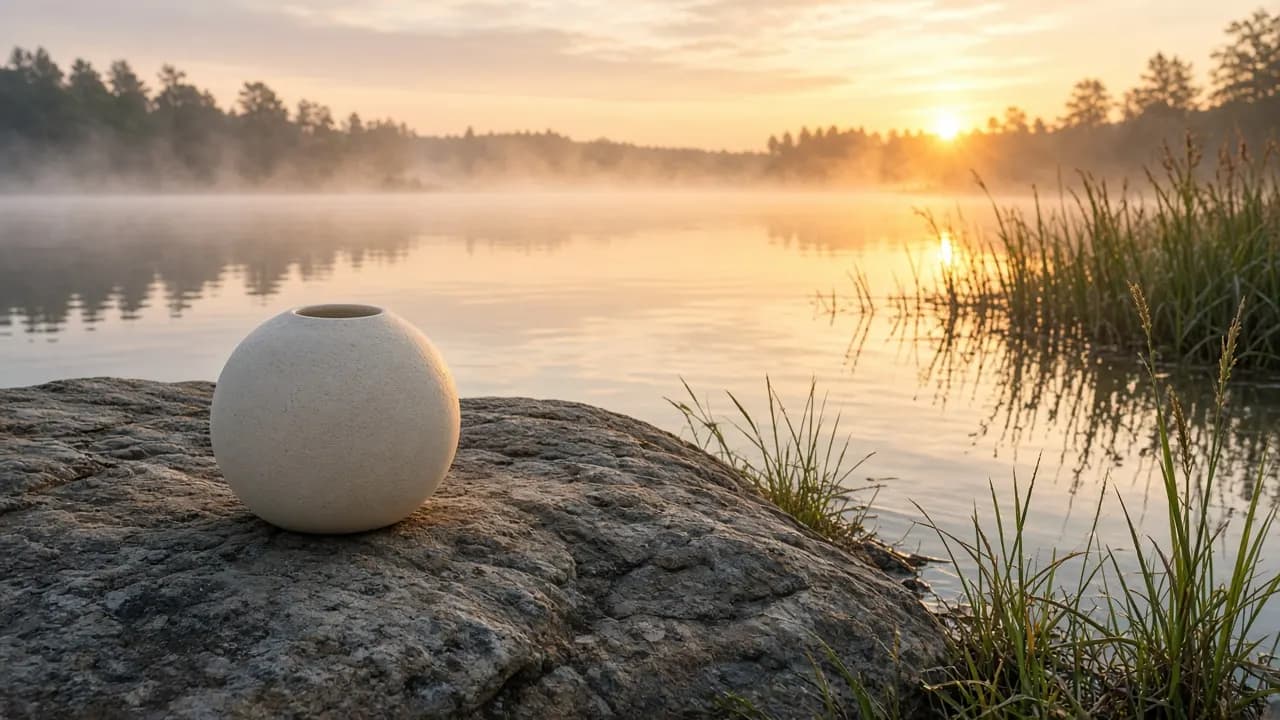
Most biodegradable urns are sized for dogs and cats, so a fish will fill only a small part of one. That's fine for a water urn, which is designed to dissolve, but for a planted urn you may prefer a smaller keepsake-size version. One retailer's guide puts biodegradable pet urns at $15–$80[1], and another guide puts larger or branded designs at $70–$260[2].
| Type | Example price | How it works | Suits |
|---|---|---|---|
| Water-soluble urn | $149[3] | Floats briefly, then dissolves and releases the ashes | Large koi, lake or sea farewell |
| Tree planting system | $119[4] | Ashes mixed with a buffered soil blend under a sapling | Koi or big goldfish, garden with space |
| Seed-capsule urn | $99[5] | Plant-fiber shell with a seed or seedling on top | Medium koi, patio pot or border |
| Paper, salt or clay keepsake | $15–$80[1] | Small shell that breaks down in soil or water | Tiny amounts; any fish with ash to return |
The water urn in the table holds up to 225 cubic inches, far more than any koi leaves. Our urn size calculator shows the volume your fish actually needs, which can save you buying a large urn for a spoonful.
Protect the living fish
Why shouldn't ashes or a body go into your own pond?
It feels poetic to return a koi to the pond it lived in for decades, but the water can't absorb it the way a lake can. A garden pond is a small, closed system that your other fish depend on, and anything added stays there.
- Ashes are strongly alkaline. Cremated remains have a pH of ~11.7[6], and even a few ounces can nudge a small pond's pH and hardness upward.
- They add phosphate. Bone ash is rich in phosphorus, which feeds algae blooms and green water.
- They cloud filters. Fine ash settles in mechanical media and bottom drains before it dissolves.
- A body adds ammonia. As it breaks down it releases ammonia and can spread whatever caused the death to the fish that remain.
Ash and plants
Can a fish's ashes help a plant grow?
Not on their own. Undiluted ash is too alkaline and salty for most roots, so tipping it straight into a planting hole can stunt or kill the tree you chose. The fix is dilution and time: mix the ashes into several times their volume of compost or soil, and let the blend rest before planting. One gardening guide suggests waiting at least 90–120 days[8].
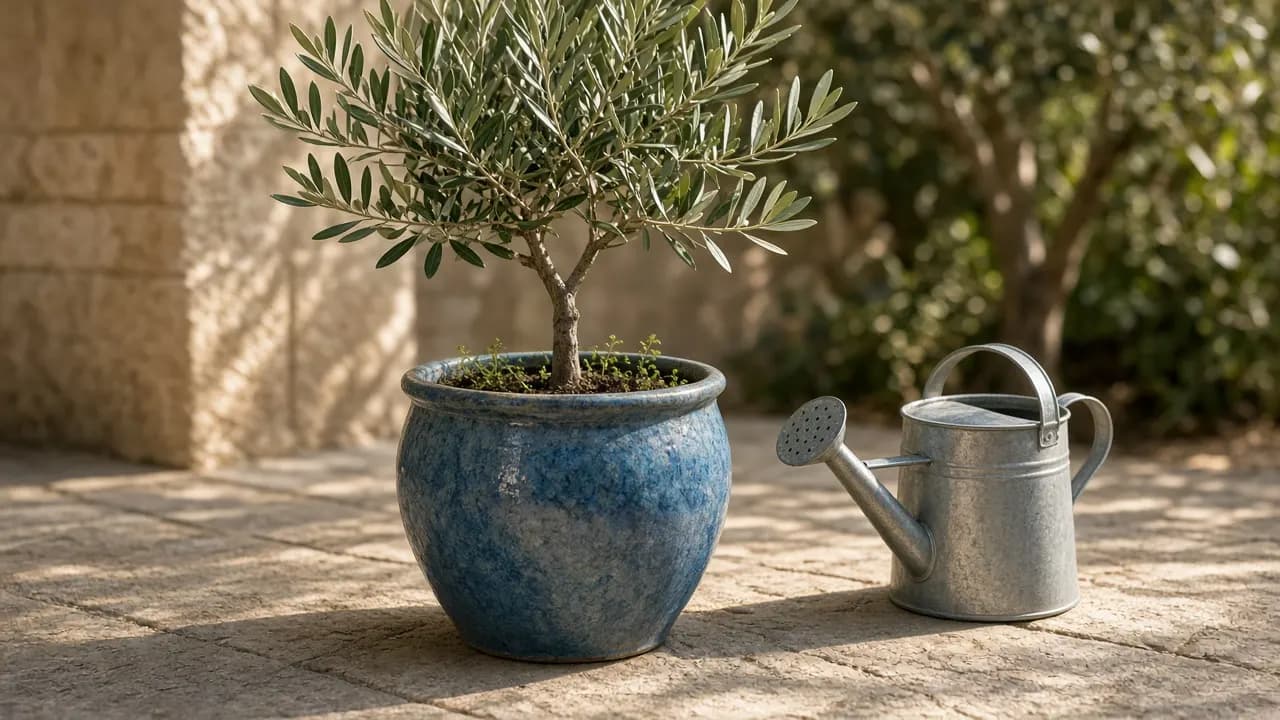
Tree-planting urns include a buffered soil blend for this reason. For a small koi's ashes, a large pot is simpler: blend the ash into the lower half of the soil, top with fresh compost, and plant something that tolerates slightly alkaline conditions, such as lavender, rosemary, a dwarf lilac or a potted olive tree. Place it where watering runoff can't reach the pond, as covered in our guide to pond-side markers.
Scattering in open water
Can you release a fish's ashes in a lake, river or the sea?
Often, yes, but the rules are local. Some states, parks and waterways allow scattering; others restrict it, and reservoirs that supply drinking water often ban it. The well-known US federal rules on burial at sea were written for human remains, so don't assume they cover a pet. Before you go, check with your state environmental agency or the body that manages the lake or park.
- Choose calm water, away from swimmers, boats and intakes.
- Stand upwind or lower the urn gently from a shoreline rock or boat.
- Use only the urn and perhaps loose petals; skip plastic flowers, ribbons and glitter.
- Keep a pinch back for a keepsake if you think you'll want one later.
Where are (or will be) your pet's ashes?
Tap an answer to vote and see how others answered. Anonymous.
Reading the label
Paper, salt, sand or clay: which materials really break down?
"Biodegradable" isn't a regulated promise on an urn, so read what it's made of. Salt and gelatin urns dissolve in water within minutes. Recycled paper and plant fiber break down in moist soil over months. Unfired clay softens in water but can persist in dry ground. Bamboo and wood are natural but may last years underground, which is fine for a grave and less so for a water release.
Interest in greener choices is high: 68%[9] of respondents to the National Funeral Directors Association's consumer survey said they were interested in green or natural burial, and one market report says 40%[10] of consumers raise environmental concerns about pet aftercare. Applied to US pet-owning households, our estimate is that about 59 million homes may be open to eco-friendly aftercare[11], though being open to an idea is a long way from choosing it. The cremation method matters too; our article on environmental claims in fish aftercare compares flame and water cremation honestly.
When there's no ash
What plantable memorials work for a fish that left no ash?
For most aquarium fish, the memorial can be entirely living and needs nothing from the cremation. A few ideas that cost little and grow for years:
- Seed paper: write your fish's name on plantable paper, then sow it in a pot of wildflowers.
- A named houseplant: a pothos or peace lily beside the tank, where you'll see it at every feeding.
- A small garden burial: a tiny fish in a cardboard box, a foot down in a flower bed, with bulbs planted above.
- A water plant for the next tank: a new Java fern or Anubias, quarantined first, chosen in your fish's memory.
The comparison tool below weighs cremation, water cremation, burial and no-ash memorials by cost, environmental impact and what you keep. For fish of any size, our services page explains each route, and memorial ideas for fish has more. If you'd like local options, tell us about your fish.
Free tool
Aftercare options compared
Compare private, communal and water cremation with burial on cost, timing and what comes home.

Reader polls
What would you choose?
Vote anonymously and see how other readers answered. The results are live counts from people who visit this site, so they show real opinions, not a scientific sample.
Which memorial feels right for a fish?
Tap an answer to vote and see how others answered. Anonymous.
Where are (or will be) your pet's ashes?
Tap an answer to vote and see how others answered. Anonymous.
Had you heard of water cremation (aquamation) before today?
Tap an answer to vote and see how others answered. Anonymous.
Questions people ask
Can I put my koi's ashes in the pond it lived in?
It's safer not to. Ashes are highly alkaline and rich in phosphorus, so even a small amount can shift a garden pond's pH and feed algae, and fine ash clogs filters. If you want your koi near the water, plant a tree or pot with the ashes mixed into soil, set well back where runoff drains away from the pond.
Do water-soluble urns leave anything behind?
Good ones are made from salt, paper, gelatin or plant starch and dissolve completely, usually within minutes to hours. Check the material before you buy, because some decorative urns sold as eco-friendly have resin or glued parts. Remove any ribbons, labels or tags before release so nothing but the urn and ashes enters the water.
Can I bury a fish in a biodegradable urn in a pot?
A small fish's body can go in a large pot with at least 8 to 10 inches of soil above it, in a paper or cardboard box. Expect a smell for a few days in warm weather and keep the pot away from pets. Ashes are easier: mix them into the lower soil, let the blend rest, then plant.
What tree grows well over a koi's ashes?
Choose something that tolerates slightly alkaline soil and suits your climate: crabapple, lilac, redbud, hackberry or a native serviceberry are common choices in many US regions. Mix the ashes into plenty of soil or use a buffered urn blend, and plant well away from the pond so roots and runoff don't affect the liner or water.
Is a water-soluble urn worth it for a small fish?
Usually not. A small fish leaves at most a pinch of ash, and many water urns are built for far larger amounts. You can release a pinch by hand from a shoreline where local rules allow, or keep it in a tiny paper envelope and bury it beneath a new plant. Save the urn budget for a memorial you'll see.
Keep reading

Compare aftercare options
Cremation, water cremation and burial ranked by what matters to you.

Environmental claims in fish aftercare
Flame vs water cremation, without the marketing.

Pond-side markers
Stones and plants that keep your pond water safe.

How to bury a pet fish
Depth, spot and wrapping for a garden or planter grave.
Sources and our estimates
- [1] Memorials.com's pet urn cost guide puts biodegradable pet urns at $15–$80. Memorials.com – Pet Urn Cost Guide, 2025.
- [2] Funeral.com cites U.S. Funerals Online that biodegradable urns typically cost about $70–$260. Funeral.com – How Much Do Cremation Urns Cost in 2025, 2025.
- [3] The Living Urn's Eco Water Urn for water burial costs $149 and holds up to 225 cubic inches; it floats for several minutes before dissolving. The Living Urn – Eco Water Urn, 2026.
- [4] The Living Urn's pet bio-urn planting system (without a tree) costs $119. The Living Urn – Pet tree urn, 2026.
- [5] The Bios Urn for pets, a biodegradable urn with a seed capsule, costs $99. Bios Urn – Pets, 2026.
- [6] Cremated remains have a very high pH of approximately 11.7, which is toxic to plants without amendment. Larkspur Conservation — Giving Cremated Remains a New Life Through Science, 2024.
- [7] Minnesota DNR advises owners of unwanted goldfish to return them to a retailer, use a surrender event, rehome with hobbyists, or ask a veterinarian or pet retailer about humane disposal, never releasing them. Minnesota DNR - Goldfish (Carassius auratus) invasive species page.
- [8] Gardening Know How advises letting an ash/soil-amendment mixture sit for at least 90 to 120 days before planting. Gardening Know How — Planting With Cremains: Is There a Safe Way to Bury Ashes, 2024.
- [9] 68% of respondents to NFDA's 2024 Consumer Awareness and Preferences Survey expressed interest in green funeral or natural burial options. NFDA — Green Burial Resources for Funeral Professionals, 2024.
- [10] Astute Analytica reports that 40% of consumers raise environmental concerns about pet aftercare choices. Astute Analytica via GlobeNewswire — Global Pet Preservation Services Market to Hit USD 112.7 Million by 2032 (Apr 2, 2024), 2024.
- [11] About 59 million U.S. pet-owning households may be open to eco-friendly aftercare options. Our estimate: 86.9M pet households x 68% interested in green funeral options. How we calculate.
Find a gentle, low-impact goodbye for your fish
Tell us what you need and where you are. We'll reply by email with clear options and prices so you can decide in your own time.