Fish aftercare in Seoul, from koi to betta
Not every crematory near Seoul accepts fish, and the smallest ones leave little to return. We'll help you find the right option and ask the right questions.
- Koi, goldfish and tropical fish
- Written prices, no pressure
- Burial and keepsake ideas included
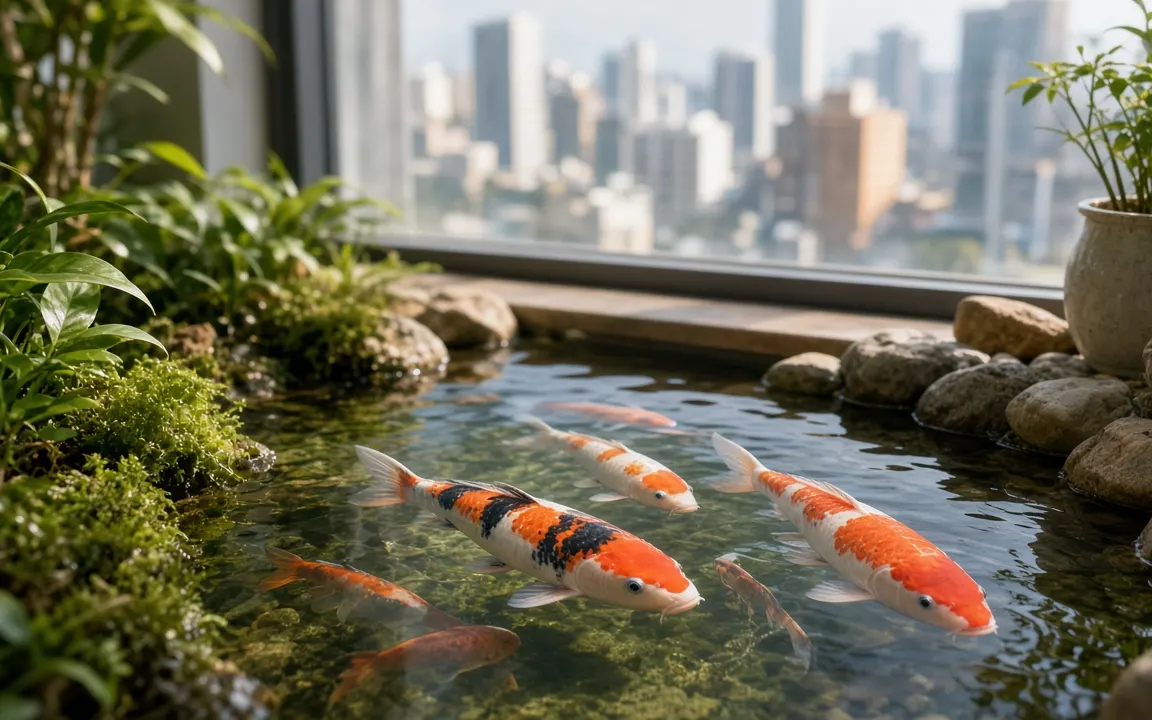
Seoul, South Korea
What happens when a pet fish dies in Seoul
Most pets in Seoul live in large apartment complexes, and burying a pet in a park, on a hillside or on shared apartment grounds is not allowed. That leaves licensed cremation as the usual route, and many of the facilities serving Seoul are outside the city in Gyeonggi Province. Families without a car often rely on collection. When you request options, share your district and whether you'd like to travel with your pet or have them collected.
Seoul's seasons are sharp: humid monsoon summers, when a pet's body must be kept cool quickly, and freezing, dry winters. In summer, lay your pet on a towel with ice packs near the belly and keep the air conditioning on until collection. In winter, a cool room away from floor heating works for a short time. Either way, arranging cremation within a day or two is normal and makes the wait easier.
Seoul has plenty of pet crematories, but not all of them take fish, and a few quietly decline very small ones because there is nothing to hand back. Save time by giving the length and rough weight of your fish on the first call and asking one plain question: what would you expect to return? A provider used to aquatic pets will answer straight away. If they hesitate, move on to the next.
With roughly 9,776,000 residents, Seoul is the largest of the 2 South Korea communities we cover.
The closest communities we cover are Gangnam (5 miles), Incheon (17 miles) and Daejeon (87 miles). Providers serving those towns often travel to Seoul too, so it can be worth asking them for a quote.
92.43%[1]
In 2023, 92.43% of deaths in South Korea were cremated (60 crematoria).
10 million[2]
About 10 million US households keep freshwater fish.
13%[3]
13% of UK households keep an indoor fish tank.
3-5% of body weight[4]
Embrace notes cremated remains typically weigh about 3-5% of the pet's original body weight.
Sources for the statistics above: UK Pet Food (formerly PFMA) Pet Population 2026 and American Pet Products Association (APPA) 2025 National Pet Owners Survey release.
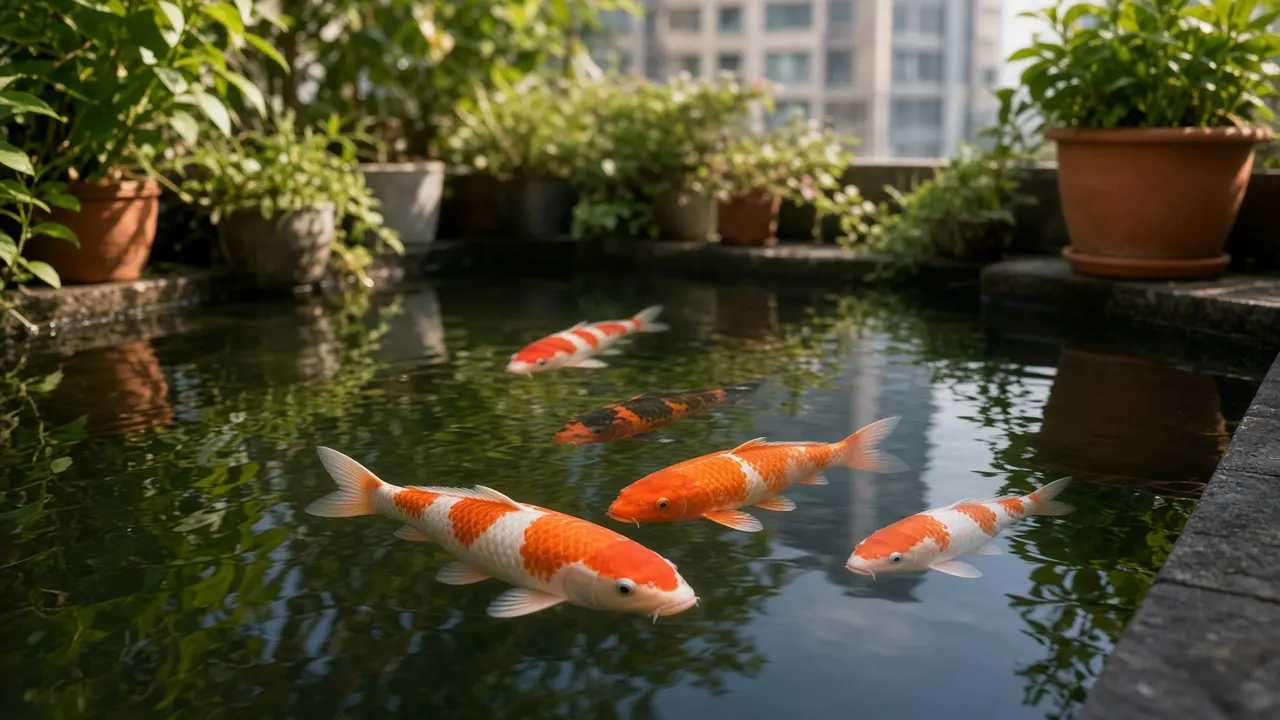
How South Korea thinks about cremation
Cremation is the everyday choice in South Korea: about 92.43%[1] of people who die there are cremated. That familiarity tends to carry over to pets, and it helps fish owners too. Crematories here are used to small animals, so asking about a koi or a goldfish rarely raises an eyebrow. Where it can get awkward is the tiniest fish, and a provider that's honest about how little ash a betta leaves is worth choosing over one that simply takes your money.
The South Korea figure comes from Cremation Society of Great Britain, International Cremation Statistics 2023 (2023). It describes people, not pets, so read it as a sign of local attitudes rather than a pet statistic.
Heat, ice and your pond in Seoul
Weather affects the people as well as the pond. In Seoul, holiday weeks, storms and heavy snow can all slow a vet's collection run or a crematory's schedule. If a fish dies just before a long weekend, don't count on anyone picking up the phone; freeze it and call on the next working day. A frozen fish loses nothing by waiting, and you avoid paying extra for an urgent service you don't need.
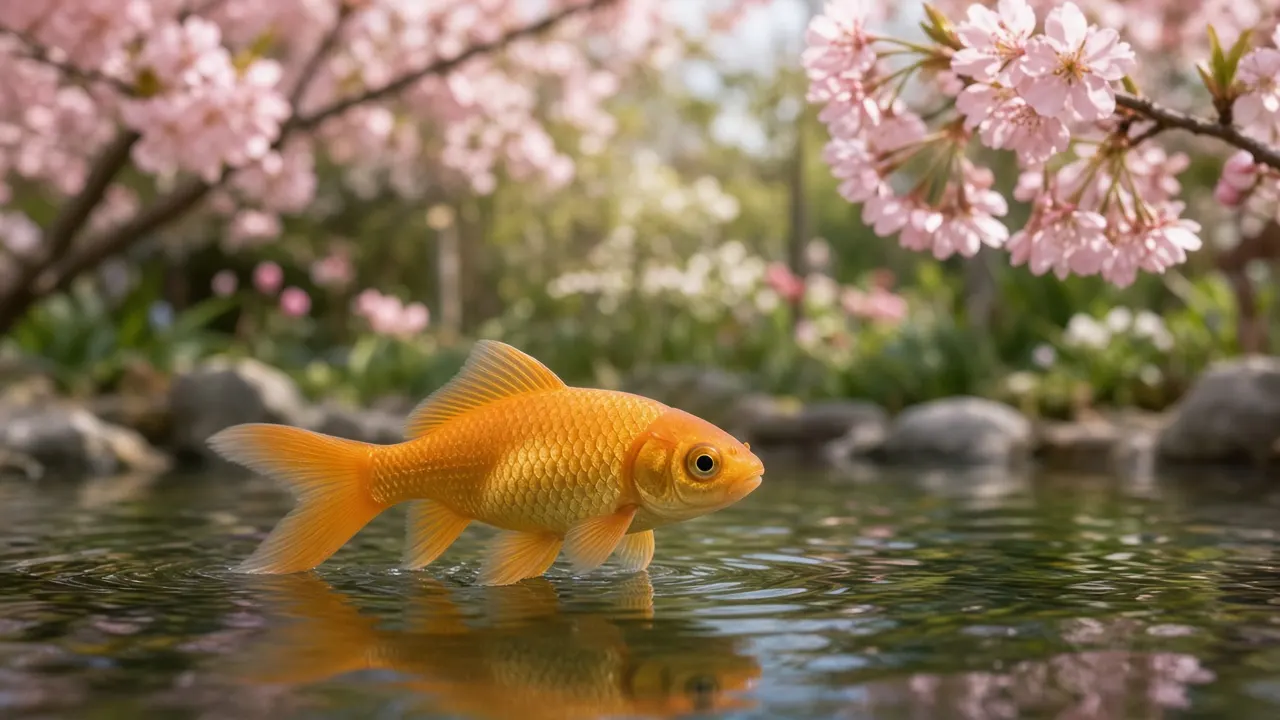
Budgeting for a koi or tank fish in Seoul
Aquarium keeping is popular across much of Asia, from arowana and koi to goldfish and bettas. For a large fish near Seoul, individual cremation at the small-pet rate is realistic. For a very small fish, ask about communal cremation or a symbolic return, and compare what each includes before you pay.
We keep the detailed South Korea price table on one page so it stays current: see South Korea prices.

Free tool
Cremation cost calculator
Estimate a realistic price range for your pet's size, location and the type of cremation.
Local rules in South Korea
Rules about pets after death are set locally, and fish are usually covered by the same rules as other small pets. Garden burial is often allowed on land you own, with limits near wells and water. Scattering ashes directly into lakes and rivers may need permission. Releasing live fish into the wild is restricted in many places, and some ban releasing goldfish outright.
The first day after a fish dies
- If a big koi is going for private cremation, take its length and get a rough weight by standing on bathroom scales holding the bagged fish.
- Photograph its markings before freezing. Some families like a picture to compare with the paperwork, and it's a lovely keepsake anyway.
- Wrap it in an old towel inside two strong bags and freeze it lying flat so it fits a cooler later.
- Call a provider that has cremated fish before and ask how much ash it expects and how it tracks each pet.
- Work out the urn size using the urn size calculator first, so you don't buy the wrong one.
- Drive it over in an insulated box with frozen gel packs, and plan where the ashes will go: a shelf indoors, the garden or around the pond.
Small memorials for a small life in Seoul
Pet funerals have grown quickly in Seoul as more single and two-person households share their homes with pets, and a short farewell ceremony before a private cremation is a common choice. Many families attend in person and take the ashes home the same day. If you'd rather not attend, that's fine too. Ask whether your pet will be cremated individually, how long the process takes and what the ashes will come back in.
try the free planning tools, there are guides for the big decisions and articles for the details, or look at how readers voted in our polls, For a plain comparison of the choices, open services. More local pages: Gangnam, the South Korea overview and every city in South Korea.

Reader polls
What would you choose?
Vote anonymously and see how other readers answered. The results are live counts from people who visit this site, so they show real opinions, not a scientific sample.
Would you keep your fish in the freezer while you decide what to do?
Tap an answer to vote and see how others answered. Anonymous.
What would you choose for a fish you loved?
Tap an answer to vote and see how others answered. Anonymous.
If you had to decide today, which aftercare would you choose for your pet?
Tap an answer to vote and see how others answered. Anonymous.

Free tools to help you plan
Cremation cost calculator
Estimate a realistic price range for your pet's size, location and the type of cremation.
Ashes weight estimator
See roughly how much ash to expect back, by species and body weight.

Aftercare options compared
Compare private, communal and water cremation with burial on cost, timing and what comes home.
Questions people ask
Can a provider from a neighbouring town collect from Seoul?
Usually yes. Gangnam is about 5 miles away, Incheon is about 17 miles away and Daejeon is about 87 miles away, all inside a normal collection radius. Get the mileage written into the quote so there is no surprise on the day.
Is cremation common in South Korea?
For people, yes: about 92.43%[1] of South Korea deaths end in cremation, according to Cremation Society of Great Britain, International Cremation Statistics 2023 (2023). Nobody publishes the same figure for pets, but in our experience pet choices in Seoul follow the human pattern closely, so cremation is the default most families here start from.
Can you actually cremate a fish in Seoul?
Yes. Many pet crematories that handle small animals will cremate a fish, and a koi or large goldfish is cremated much like any small pet. The limit is size: a betta, guppy or tetra may leave no ash that can be separated and returned. Call first, give the length and rough weight, and ask what they'd expect to give back.
Are there pet funeral services for fish in Seoul?
In many Asian cities, pet funeral services are well established and include small pets. Some offer a short farewell ceremony and a columbarium niche as well as cremation. Ask whether they accept fish, what size they can return ashes for and what exactly is included in the package price.
What should I do with an arowana or large aquarium fish that has died?
Lift it out, wrap it in a damp towel, seal it in a bag and freeze it. A large arowana, oscar or koi is big enough for a private cremation with ashes returned. Ask a pet crematory near Seoul for their small-pet price and whether they have handled large aquarium fish before.
What can I keep if my fish was too small to leave ashes?
Plenty. A framed photo, a painting or print of the fish, its favorite tank ornament, a plant grown over a garden burial or a painted stone all work. Some crematories offer a token vial with a certificate, though the contents may be mostly from the chamber. Ask what's inside before you pay, and choose whatever feels like your fish.


Sources and our estimates
- [1] In 2023, 92.43% of deaths in South Korea were cremated (60 crematoria). Cremation Society of Great Britain, International Cremation Statistics 2023, 2023.
- [2] About 10 million US households keep freshwater fish. American Pet Products Association (APPA) 2025 National Pet Owners Survey release, 2025.
- [3] 13% of UK households keep an indoor fish tank. UK Pet Food (formerly PFMA) Pet Population 2026, 2026.
- [4] Embrace notes cremated remains typically weigh about 3-5% of the pet's original body weight. Embrace Pet Insurance - Bury or Cremate Your Dog? Costs, Pros & Cons, 2025.
- [5] Private cremation cost per pound falls with size in the US: roughly $9.2/lb for a 15 lb pet, $4.2/lb at 60 lb and about $4.0/lb at 100 lb. Our estimate: band midpoint price / representative weight: 0-30 lb (midpoint $137.50 / 15 lb) = $9.17/lb; 51-70 lb ($250 / 60 lb) = $4.17/lb; over 90 lb ($400 / ~100 lb) = $4.00/lb. How we calculate.
Find a Seoul provider that accepts fish
Tell us what you need and where you are. We'll reply by email with clear options and prices so you can decide in your own time.