When a fish you love dies in Seattle
Fish are real pets, and some live for decades. We explain fish cremation in Seattle in plain words, including when a small fish is better honored another way.
- What to do in the first hour
- What a small-pet minimum really costs
- Options emailed for your area
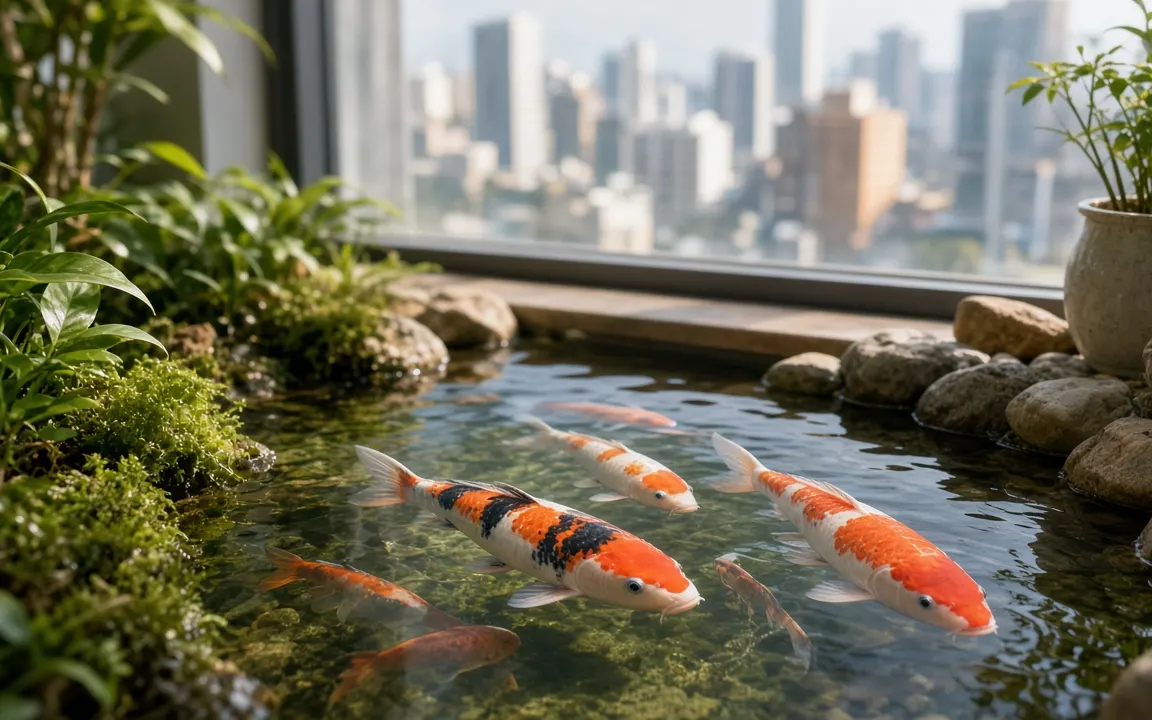
Seattle, Washington
Koi, goldfish and tank fish: the Seattle picture
Seattle's hills, walk-up apartments and tight street parking in places like Capitol Hill, Queen Anne and Ballard can turn a simple trip to the vet into a real task when a pet has died, especially if you don't drive. Seattle Animal Shelter says plainly that it does not offer private cremation and cannot give back an animal's ashes through its own service, so if you want the ashes home, arrange a private cremation through your vet or an independent provider.
Seattle's mild weather buys you a little time. Summer highs usually sit in the 70s and hard freezes are rare, so a pet wrapped in a towel on a tiled floor in a cool room is generally fine overnight while you decide what to do. The exceptions are the occasional late-summer heat wave and the smoky wildfire weeks when windows stay shut and apartments get stuffy; on those days, make the call sooner.
Many children in Seattle get a goldfish or a betta as their first pet, often because an apartment can't take a dog. When that fish dies, it may be the first death a child really understands. It's worth slowing down: no swap for a lookalike overnight, no quick flush while they're at school. A short goodbye, even a planter burial on a windowsill, helps a child more than you might expect.
About 784,777 people live in Seattle, which makes it the largest of the 67 Washington communities we cover.
For a second opinion on price, Mercer Island (6 miles), Bellevue (6 miles) and Kirkland (8 miles) are close enough that their providers cover Seattle routinely. Two written quotes tell you more than any price list.
79.1%[1]
Washington had a 79.1% cremation rate in 2024, among the highest in the US.
10 million[2]
About 10 million US households keep freshwater fish.
13%[3]
13% of UK households keep an indoor fish tank.
3-5% of body weight[4]
Embrace notes cremated remains typically weigh about 3-5% of the pet's original body weight.
Where these figures come from: UK Pet Food (formerly PFMA) Pet Population 2026 and American Pet Products Association (APPA) 2025 National Pet Owners Survey release.
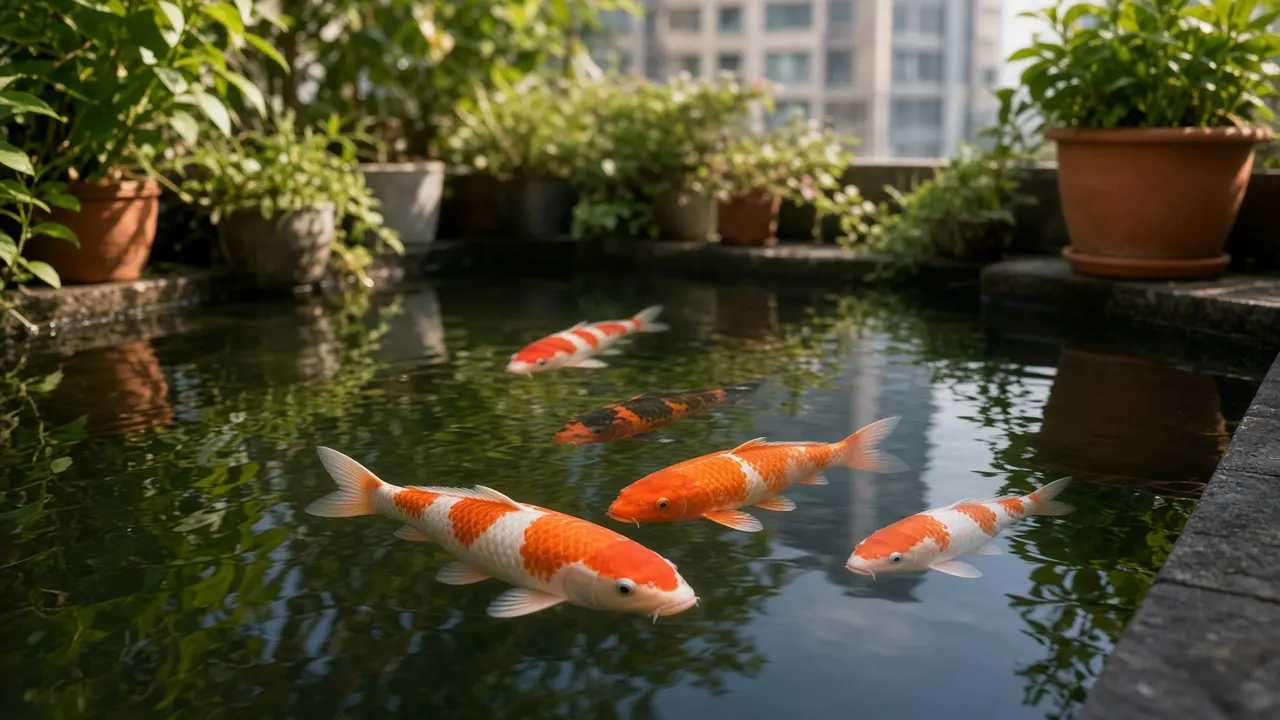
Cremation, custom and the family fish in Washington
About 79.1%[1] of people in Washington are cremated, and pet cremation is correspondingly common. For fish keepers, the practical upshot is that you're unlikely to be the first person to ask a local crematory about a koi. Many will have a clear policy: fish over a certain size cremated privately with ashes returned, very small fish offered communal cremation or a symbolic return. Ask to hear that policy before you book.
We take the Washington rate from Direct Cremate (citing CANA) (2024). It is a human statistic; there is no equivalent pet figure for Seattle, and we would rather show a real number than invent one.
What the seasons mean for fish in Seattle
Because the ground in Seattle rarely freezes hard, garden burial is a realistic option for most of the year. Choose a spot well away from the pond and any vegetable beds, and wrap the fish in paper or cotton. If you'd rather keep ashes from a larger fish, cremation works in any season, and ashes can be scattered by the pond whenever you like.
Mild winters in Seattle mean parasites and bacteria never fully rest, and neither do the fish. Keepers here often see losses spread across the year rather than bunched into one season. When a fish is lost for no clear reason, think back over any new arrivals from the past month, test the water and look closely at the survivors' fins and gills. A run of losses is worth a vet's time; a single elderly fish usually isn't a mystery.
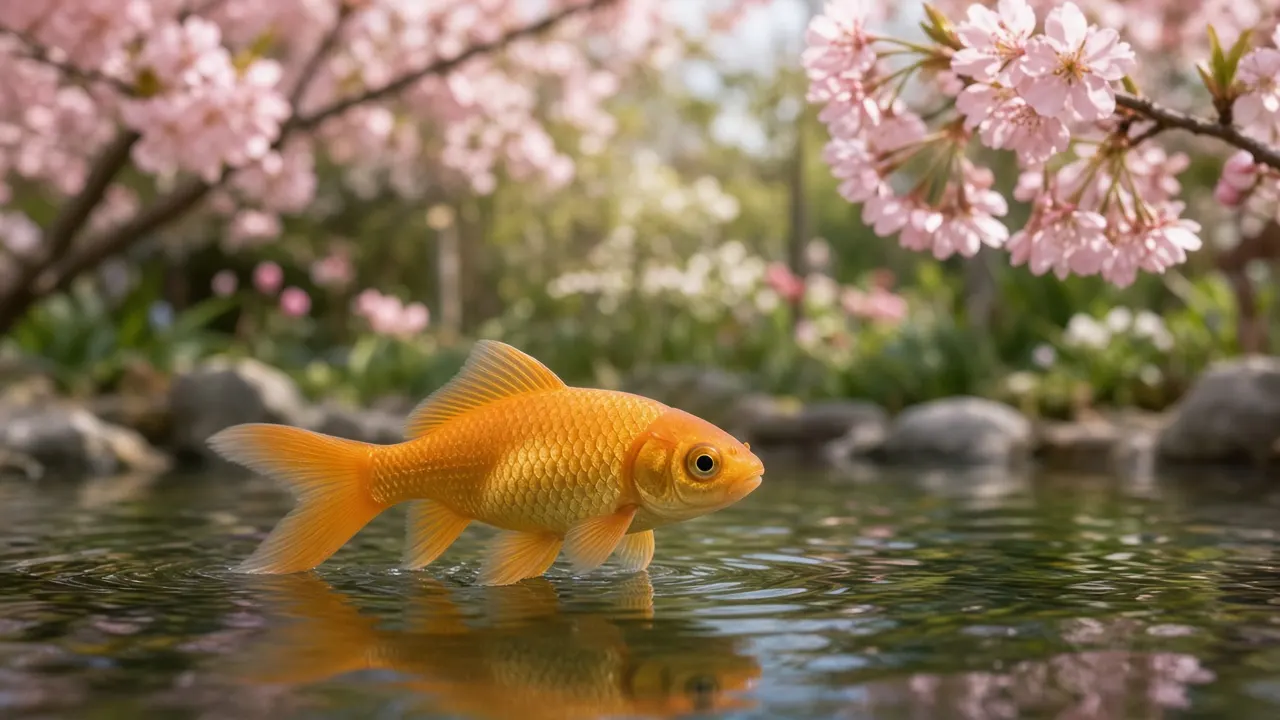
Paying for a fish's goodbye in Seattle
By our estimate, private cremation costs about twice as much as communal[5] across the markets we track, and for a fish that gap deserves a moment's thought. The extra pays for your own fish's ashes to come back to you. With a koi, that buys a few ounces for a small urn. With a neon tetra, it may buy very little. Ask any Seattle provider what they would return, then decide whether the difference is worth it. The cost calculator lays out both routes side by side.
We keep the detailed Washington price table on one page so it stays current: see Washington prices.

Free tool
Cremation cost calculator
Estimate a realistic price range for your pet's size, location and the type of cremation.
Before you bury, scatter or rehome in Washington
Ashes from a fish are mostly bone mineral, and scattering them is rarely regulated on your own land. Tipping them into a pond that still holds fish can cloud the water, so many keepers scatter around the edge instead. Public lakes, rivers and parks are a different matter: the body that manages them can set its own rules. Here's what applies in Washington.
Seattle Animal Shelter publishes Seattle's official guidance. Note that it deals with public collection, not with booking a private cremation. Not sure which office covers Seattle? The Washington local government directory is the official list.
The rules that apply across Washington (home burial, scattering and who oversees pet cremation) are summarized on our Washington page. Seattle may add its own conditions, so check with the city or county before digging.
The first day after a fish dies
- Take a breath. Nothing has to happen in the next hour once your fish is out of the water.
- Wrap your fish in a damp paper towel or cloth, then seal and label the bag; nobody in your Seattle home wants a surprise in the freezer.
- Check on the survivors: run a water test and confirm the filter, heater and air are working. Should several fish seem off-color, ring a vet who treats fish.
- Ask your vet or a local fish store which crematories near Seattle accept fish.
- Choose private, communal or a burial, and ask for a written total before you agree.
- Drop your fish off in a cooler with ice packs, or arrange a pickup when a large koi is too heavy to lift and carry on your own.
- Plan a small goodbye, especially if children were involved: a drawing, a stone or a plant for the spot.
Keeping your fish part of the family story
Seattle pets live in condos in South Lake Union, craftsman houses in Wallingford and houseboats on Lake Union, and many never go outdoors at all. About four in five Washington residents choose cremation for themselves, and pet owners here lean the same way. The decision that matters most is whether your pet is cremated alone or with others, so get that written into any quote before you agree, along with the date the ashes will be ready.
For a plain comparison of the choices, open services, or look at how readers voted in our polls, there are guides for the big decisions and articles for the details, use the free tools before you ring anyone. If you live between Seattle and Tacoma, Spokane, Bellevue and Everett, either page applies. Every other community in Washington, and all of the United States, is listed too.

Reader polls
What would you choose?
Vote anonymously and see how other readers answered. The results are live counts from people who visit this site, so they show real opinions, not a scientific sample.
Which memorial feels right for a fish?
Tap an answer to vote and see how others answered. Anonymous.
Before reading about it, what did you think happens to a flushed fish?
Tap an answer to vote and see how others answered. Anonymous.
If you had to decide today, which aftercare would you choose for your pet?
Tap an answer to vote and see how others answered. Anonymous.

Free tools to help you plan
Cremation cost calculator
Estimate a realistic price range for your pet's size, location and the type of cremation.
Ashes weight estimator
See roughly how much ash to expect back, by species and body weight.

Aftercare options compared
Compare private, communal and water cremation with burial on cost, timing and what comes home.
Questions people ask
Which nearby towns can I compare with Seattle?
The closest communities we cover are Mercer Island (about 6 miles), Bellevue (about 6 miles) and Kirkland (about 8 miles). Providers based in those places often serve Seattle too. Ask each one for a written total that includes collection, so the distance is priced in.
How does Seattle's weather affect fish aftercare?
August is the hottest month in Seattle, with average highs around 77°F, so prompt collection matters most then. Winters are mild, with average lows staying above freezing, so outdoor burial or scattering is usually possible year round.
Why does the Seattle page quote a human cremation rate?
Because it is the best local signal we have. Direct Cremate (citing CANA) (2024) reports about 79.1%[1] of Washington residents are cremated. There is no official pet equivalent, and inventing one would be worse than quoting a real, clearly labelled number.
Where can I bury a fish if I live in an apartment in Seattle?
A large planter on a balcony or windowsill works well for a small fish. Wrap it in paper, bury it in fresh compost and plant something on top. Don't bury pets in public parks or communal gardens without permission. If you'd rather not bury at all, communal cremation through a vet is a simple option.
Is there a good time of year for a fish burial in Seattle?
In a mild climate like Seattle's, you can bury a fish in almost any month. Choose a dry day when the soil is workable, pick a spot away from the pond and plant something on top. If the family wants to be there, keeping the fish frozen until a weekend is fine.
Will a crematory in Seattle collect a large koi from my home?
Some will, usually for an extra fee, but most won't net a fish from the pond. Lift the koi out yourself, wrap it in a damp towel, seal it and keep it chilled or frozen. In a city the size of Seattle, dropping it off in a cooler is often quicker and cheaper than waiting for a collection slot.


Sources and our estimates
- [1] Washington had a 79.1% cremation rate in 2024, among the highest in the US. Direct Cremate (citing CANA), 2024.
- [2] About 10 million US households keep freshwater fish. American Pet Products Association (APPA) 2025 National Pet Owners Survey release, 2025.
- [3] 13% of UK households keep an indoor fish tank. UK Pet Food (formerly PFMA) Pet Population 2026, 2026.
- [4] Embrace notes cremated remains typically weigh about 3-5% of the pet's original body weight. Embrace Pet Insurance - Bury or Cremate Your Dog? Costs, Pros & Cons, 2025.
- [5] The median price multiple of private (ashes returned) over communal cremation across 8 markets is about 2.0x, ranging from 1.25x (Tokyo) to 5.2x (Auckland). Our estimate: median(private_price / communal_price) same weight band: US CareCredit 51-70 lb midpoints (250/75) = 3.33x; Auckland 15-25 kg (445/85) = 5.24x; Norway 1-20 kg (3790/1190) = 3.18x; Singapore 10-20 kg (480/260) = 1.85x; Ontario 25-250 lb (549/279) = 1.97x; Tokyo 20-30 kg (38500/30800) = 1.25x; France 20 kg midpoints (200/95) = 2.11x; Germany range midpoints (270/145) = 1.86x. How we calculate.
- [6] Private pet aquamation costs about 2.5 times communal aquamation at the same provider. Our estimate: mean of tier ratios 150/50, 200/75, 250/100, 350/150, 450/225. How we calculate.
Tell us about your fish
Tell us what you need and where you are. We'll reply by email with clear options and prices so you can decide in your own time.