Fish aftercare in Arlington, from koi to betta
Not every crematory near Arlington accepts fish, and the smallest ones leave little to return. We'll help you find the right option and ask the right questions.
- Pond and aquarium fish both covered
- Water cremation where it's offered
- Kind ways to explain it to children
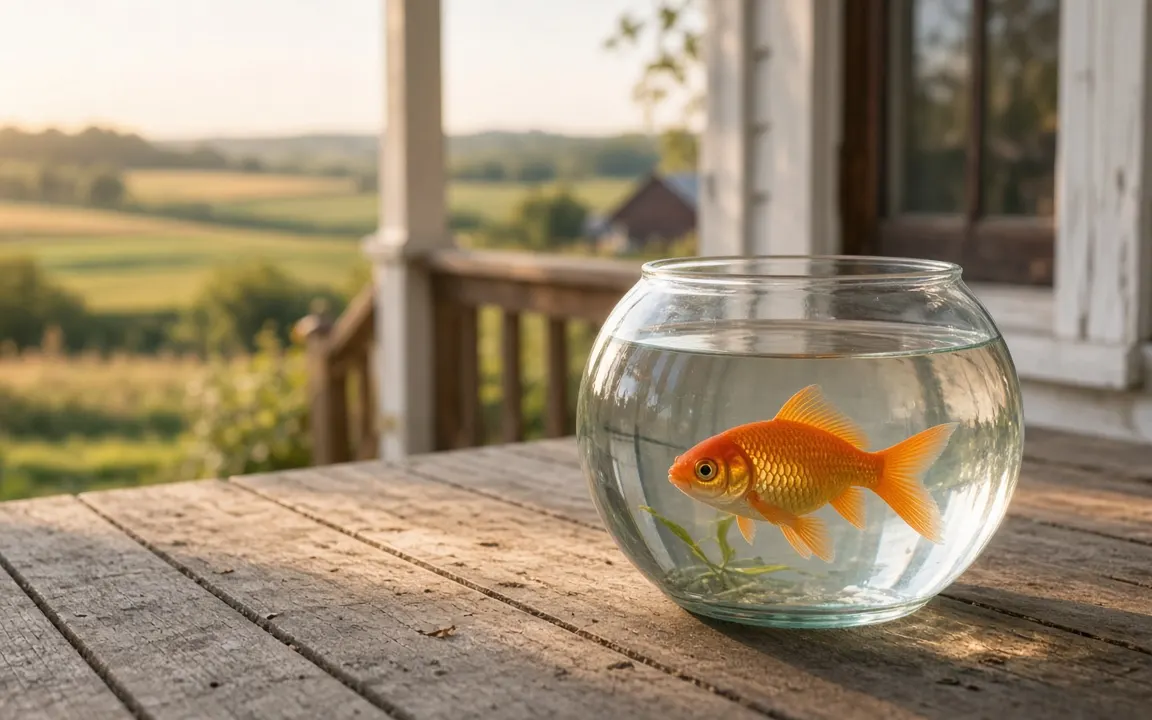
Arlington, Washington
Getting help with a fish loss around Arlington
Arlington grew up where the north and south forks of the Stillaguamish River join, on the edge of Snohomish County's dairy and berry country. Housing mixes older bungalows near the historic Olympic Avenue downtown, newer subdivisions out around Smokey Point, and rural parcels up in the hills. Seattle lies about 40 miles south, which means some aftercare services treat Arlington as the far edge of their map; confirm they drive this far and how the extra miles are priced.
Arlington's weather is classic western Washington: a long damp season from October to May, cool nights, and now and then a frosty clear spell or a light snow. Those cool temperatures give a household some breathing space after a death. Rest the animal on a doubled-over bath towel somewhere cold, like the mudroom or the chilliest bedroom, and plan on collection or a clinic visit inside about twenty-four hours.
For a child in Arlington, a goldfish won at a county fair or a betta from the pet aisle is often their first pet. When it dies, a small ceremony in the garden with a painted stone can mean more than any cremation. If your child wants to keep something, some crematories return a token vial and certificate even for a very small fish, but ask what's inside before you pay for it.
About 22,031 people live in Arlington, which makes it the 52nd-largest of the 67 Washington communities we cover. The nearest larger centre is Seattle, about 40 miles (64 km) away, which is where some providers serving Arlington are based.
Nearby, we also have local pages for Marysville (6 miles, a larger centre), Lake Stevens (12 miles) and Everett (14 miles, a larger centre), which can help if your vet or the provider you prefer is based there.
79.1%[1]
Washington had a 79.1% cremation rate in 2024, among the highest in the US.
10 million[2]
About 10 million US households keep freshwater fish.
13%[3]
13% of UK households keep an indoor fish tank.
3-5% of body weight[4]
Embrace notes cremated remains typically weigh about 3-5% of the pet's original body weight.
Sources for the statistics above: UK Pet Food (formerly PFMA) Pet Population 2026 and American Pet Products Association (APPA) 2025 National Pet Owners Survey release.
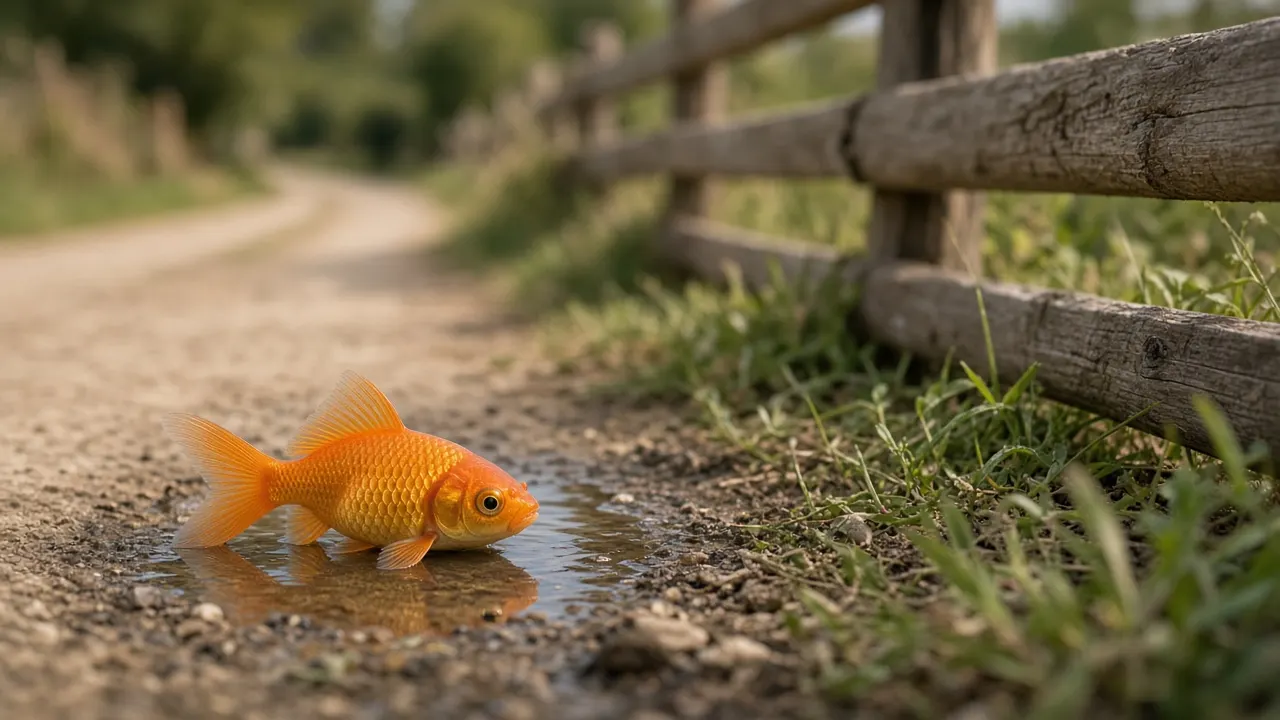
What local funeral customs suggest for a pet fish
Some pet crematories in Washington, where the human cremation rate is near 79.1%[1], let families attend. For a fish, an attended cremation can be brief and quiet: a few minutes to say goodbye before the chamber door closes, and sometimes the chance to wait for the ashes. Not every provider offers it for small pets, and it usually costs more, so ask whether it's possible, how long it takes and whether children are welcome.
For the Washington figure we rely on Direct Cremate (citing CANA) (2024). Read it as a picture of local custom around death and remembrance in Arlington rather than as pet data.
What the seasons mean for fish in Arlington
Wherever you are, the first rule for a fish is the same: take it out of the water as soon as you're sure it has died, then seal it and freeze it. In warm weather, do it within the hour, because decay fouls the water quickly. In cold weather you have a little more time, but frozen ground can delay a burial until spring.

Paying for a fish's goodbye in Arlington
Four things set the total for a fish in Arlington: private or communal cremation, whether you drop it off or need collection, what the ashes come back in and whether you want a certificate or keepsake. The fish itself rarely changes the price, because even a large koi sits in the lowest weight band. The ranges below are national; local quotes can sit above or below them.
The full price table by size is on our Washington page, and the services page explains what each option includes.

Free tool
Cremation cost calculator
Estimate a realistic price range for your pet's size, location and the type of cremation.
Burial, scattering and release rules in Washington
You don't need a permit to have a fish cremated, but what you do with the body or the ashes can be governed by local rules. The most important one for fish keepers applies to living fish: never release a fish, or empty a pond or tank, into a creek, lake or drain. Many places restrict releasing non-native fish because they can spread disease and crowd out wildlife.
To find your county or city office in Washington, start with the official Washington local government directory.
The rules that apply across Washington (home burial, scattering and who oversees pet cremation) are summarized on our Washington page. Arlington may add its own conditions, so check with the city or county before digging.
The first day after a fish dies
- Check whether it's really gone. A jumper found on the floor may pull through if there's any gill movement, so get it straight back into the aquarium.
- If it has died, use a damp cloth to lift it carefully; dried-out skin tears at the slightest pull.
- Stop the next jump: fit a tight lid, close gaps around cables and lower the water line an inch.
- Look for a reason. Bad water, an aggressive tank mate or a sudden scare can all send a fish over the edge, so run a water test and keep watching the rest.
- Freeze your fish in a labeled bag, wrapped in cloth, and take your time over the decision.
- Pick a goodbye that suits its size, whether that's a planter on the windowsill or private cremation for a big arowana.
Memorials that suit a fish
Arlington sits along the Centennial Trail, a paved former railway corridor that runs north from Snohomish toward the Skagit County line, and many residents know its riverside stretches well. Places like that, or a quiet gravel bar on the Stillaguamish, come up often when residents talk about scattering. Public land along the river has managers to ask first; property you own does not.
or see how other readers answered in our polls, Our services overview lays out every option side by side, look through our guides and the blog, try the free planning tools. If you live between Arlington and Spokane, Kent, Vancouver and Tacoma, either page applies. Every other community in Washington, and all of the United States, is listed too.

Reader polls
What would you choose?
Vote anonymously and see how other readers answered. The results are live counts from people who visit this site, so they show real opinions, not a scientific sample.
What would you choose for a fish you loved?
Tap an answer to vote and see how others answered. Anonymous.
Was a fish your child's first pet?
Tap an answer to vote and see how others answered. Anonymous.
If you had to decide today, which aftercare would you choose for your pet?
Tap an answer to vote and see how others answered. Anonymous.

Free tools to help you plan
Cremation cost calculator
Estimate a realistic price range for your pet's size, location and the type of cremation.
Ashes weight estimator
See roughly how much ash to expect back, by species and body weight.

Aftercare options compared
Compare private, communal and water cremation with burial on cost, timing and what comes home.
Questions people ask
Can a provider from a neighbouring town collect from Arlington?
Usually yes. Marysville is about 6 miles away, Lake Stevens is about 12 miles away and Everett is about 14 miles away, all inside a normal collection radius. Get the mileage written into the quote so there is no surprise on the day.
Where are the providers that serve Arlington actually based?
Some are local, and some run from Seattle, about 40 miles away. That is normal for a town this size. What matters is the collection time they quote for Arlington and whether the drive is priced into the total, so ask both up front.
Is cremation common in Washington?
For people, yes: about 79.1%[1] of Washington deaths end in cremation, according to Direct Cremate (citing CANA) (2024). Nobody publishes the same figure for pets, but in our experience pet choices in Arlington follow the human pattern closely, so cremation is the default most families here start from.
What should I do with the other fish after one dies?
Remove the dead fish quickly, then test the water for ammonia, nitrite, pH and temperature. Check the filter, pump and heater. If readings are off, do a partial water change and hold off feeding for a day. Watch the others closely for a week. If more fish look unwell, a vet who sees fish can examine a freshly chilled body.
Can a vet put my sick fish to sleep in Arlington?
Yes. A vet with fish experience can end its suffering by adding an anesthetic overdose to its water, and the fish simply falls asleep. Vets advise against home methods such as freezing a live fish or flushing it. Transport it in its own water with a lid on, and raise aftercare during the same appointment, so the vet can arrange cremation or hand the body back to you for burial.
Is a fish really a pet worth cremating?
If it mattered to you, yes. Koi can live 30 to 40 years and many families have kept the same fish for decades. A goldfish can live 6 to 7 years. The time you spent feeding, watching and caring for a fish is real, and so is the grief. Choose the goodbye that fits the fish and your family.


Sources and our estimates
- [1] Washington had a 79.1% cremation rate in 2024, among the highest in the US. Direct Cremate (citing CANA), 2024.
- [2] About 10 million US households keep freshwater fish. American Pet Products Association (APPA) 2025 National Pet Owners Survey release, 2025.
- [3] 13% of UK households keep an indoor fish tank. UK Pet Food (formerly PFMA) Pet Population 2026, 2026.
- [4] Embrace notes cremated remains typically weigh about 3-5% of the pet's original body weight. Embrace Pet Insurance - Bury or Cremate Your Dog? Costs, Pros & Cons, 2025.
- [5] The median price multiple of private (ashes returned) over communal cremation across 8 markets is about 2.0x, ranging from 1.25x (Tokyo) to 5.2x (Auckland). Our estimate: median(private_price / communal_price) same weight band: US CareCredit 51-70 lb midpoints (250/75) = 3.33x; Auckland 15-25 kg (445/85) = 5.24x; Norway 1-20 kg (3790/1190) = 3.18x; Singapore 10-20 kg (480/260) = 1.85x; Ontario 25-250 lb (549/279) = 1.97x; Tokyo 20-30 kg (38500/30800) = 1.25x; France 20 kg midpoints (200/95) = 2.11x; Germany range midpoints (270/145) = 1.86x. How we calculate.
Find an Arlington provider that accepts fish
Tell us what you need and where you are. We'll reply by email with clear options and prices so you can decide in your own time.