Koi and aquarium fish cremation in Reno
Whether it was a prize koi or a goldfish from the school fair, you deserve a clear answer. Here's what fish aftercare looks like in Reno, step by step.
- Koi, goldfish and tropical fish
- Written prices, no pressure
- Burial and keepsake ideas included
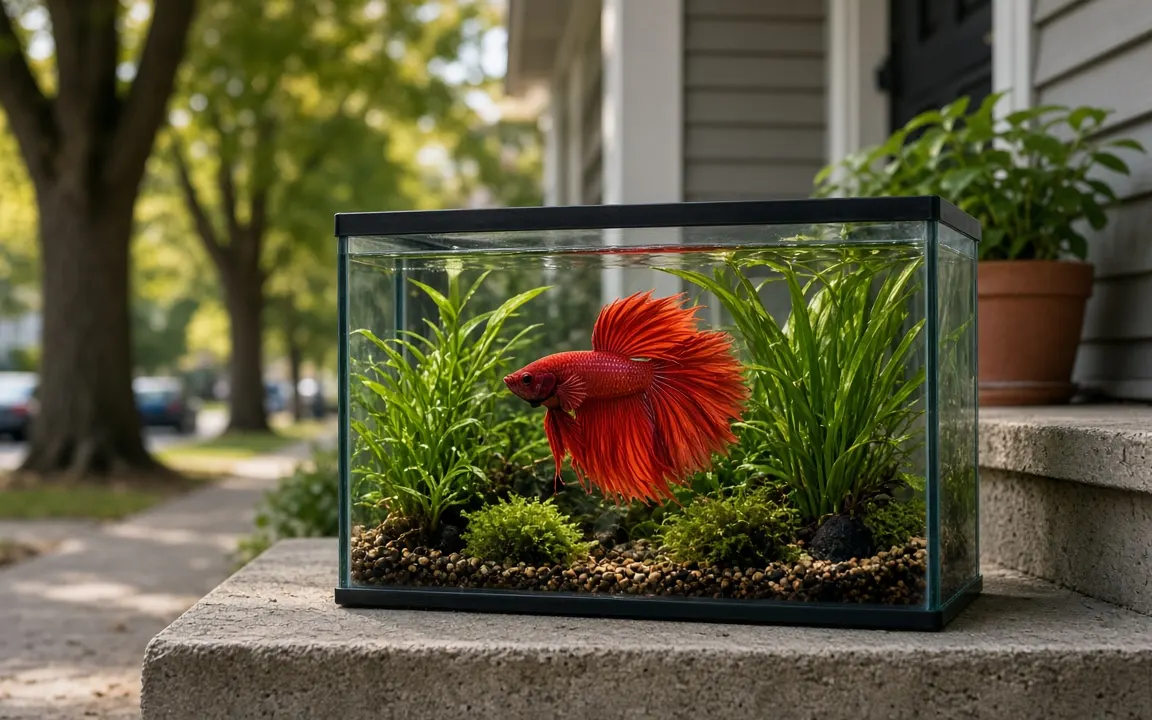
Reno, Nevada
What happens when a pet fish dies in Reno
Many Reno families think of the Truckee River, the Sierra foothills or the shores of Lake Tahoe when they picture a place to remember a pet. Scattering ashes on public land, in the river or at the lake is something to check with the land manager first. The county's own disposal service accepts small pets for a fee but returns no ashes, so if you'd like them back, ask for a private cremation.
Reno's high desert climate swings between hot, dry summers and cold winters with frost and occasional snow. In summer, a pet's body needs cooling within a few hours: wrap your pet, add ice packs and keep it in the coolest room. In winter, a cold garage can buy time. Wildfire smoke in late summer can also make being outdoors unpleasant, so plan any farewell with that in mind.
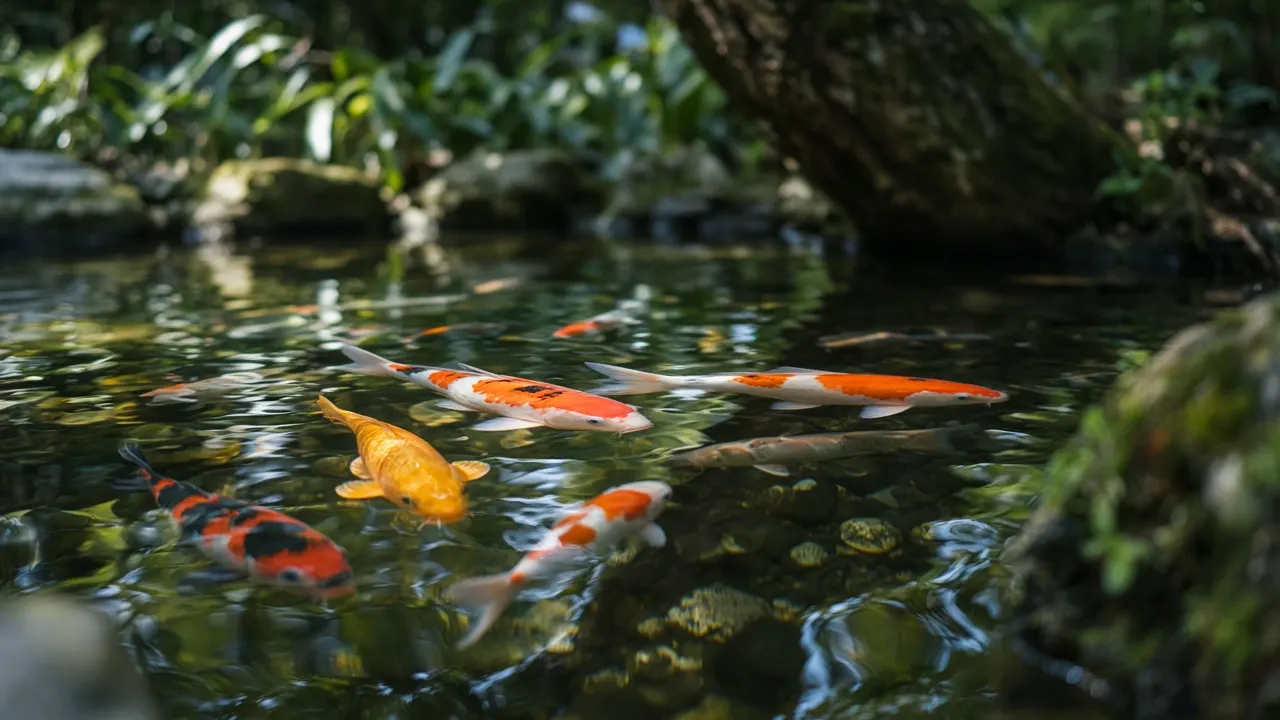
Many Reno families first think about fish aftercare when a koi they've fed for fifteen or twenty years dies. That can be a real shock, and people sometimes feel embarrassed about how much it hurts. You don't need to be. Koi can live for decades, recognize the person who feeds them and come to the surface when you walk up. A private cremation with ashes for a small urn is a perfectly reasonable response to that loss.
About 283,621 people live in Reno, which makes it the 4th-largest of the 11 Nevada communities we cover.
For a second opinion on price, Sparks (6 miles), Incline Village (21 miles) and Carson City (26 miles) are close enough that their providers cover Reno routinely. Two written quotes tell you more than any price list.
80.7%[1]
Nevada had a 80.7% cremation rate in 2024, among the highest in the US.
10 million[2]
About 10 million US households keep freshwater fish.
13%[3]
13% of UK households keep an indoor fish tank.
3-5% of body weight[4]
Embrace notes cremated remains typically weigh about 3-5% of the pet's original body weight.
None of the figures on this this page are ours alone: they rest on Embrace Pet Insurance and American Pet Products Association (APPA) 2025 National Pet Owners Survey release.
How Nevada thinks about cremation
With cremation chosen for roughly 80.7%[1] of deaths in Nevada, many families have already arranged one for a relative and know the questions to ask. They apply to a fish on a smaller scale. How is my fish tracked at every stage? Is it cremated alone, or alongside other pets with a divider between them? When do the ashes come back, and in what? A provider that answers all three without fuss is usually a safe choice.
That Nevada rate is a human one, published by Direct Cremate (citing CANA) (2024). We quote it for Reno only as a pointer to how families here already think about cremation.
Season by season: fish losses in Reno
Reno gets both extremes: highs around 94°F in July and lows at or below freezing in January, February, November and December. Pond fish face oxygen crashes on hot, still summer nights and ice cover in winter. In summer, act fast: remove a dead fish quickly and get air moving. In winter, you have time, but frozen ground can rule out a garden burial until spring.
In Reno, the pond you might lose a fish from in July is the same one that ices over in January, February, November and December, and the right aftercare shifts with the season. A summer loss calls for speed: out of the water and into the freezer before the heat does its work. A winter loss calls for patience, because the fish can stay frozen until the ground opens up. Plan the goodbye around the season you're in, not around a deadline.
Fish cremation quotes in Reno: what's normal
Most families receive private cremation ashes back in about 5-10 days[5], and small pets are often among the quicker ones. For a fish in Reno, the price usually follows the provider's minimum for the smallest pets, as in the table below. Water cremation, where it's offered, falls in similar bands. If your fish is very small, ask whether a symbolic return costs the same as a private cremation.
The Nevada price table breaks costs down by size; our services page explains what sits behind each line.

Free tool
Cremation cost calculator
Estimate a realistic price range for your pet's size, location and the type of cremation.
Rules worth knowing in Nevada
Most of the decisions after a fish dies are yours to make. The exceptions are burial, scattering and anything that involves open water. Flushing is a poor idea everywhere: fish can carry parasites and bacteria, and not every drain leads to full treatment, especially during heavy rain. Here's what applies in Nevada for burial and scattering.
Washoe County Regional Animal Services publishes Reno's official guidance. Note that it deals with public collection, not with booking a private cremation. To find your county or city office in Nevada, start with the official Nevada local government directory.
Start with the Nevada rules, which cover burial, scattering and oversight for the whole state, and treat Reno's local ordinances as a possible extra layer.
What to do when your fish dies in Reno
- Make sure. Give it a full minute and look for any movement at the gills or fins. Cold, shock or plain exhaustion can leave a fish motionless on the bottom when it's still alive.
- Lift your fish out with a net as soon as you're sure, so decay doesn't foul the water for the others.
- Seal it in a bag or tub, press the air out and freeze it. Chill it in the fridge instead if you want a vet to find out why it died.
- Test the water the same day. Check ammonia, nitrite, pH and temperature, then keep a close eye on the fish that are left.
- Decide by size. A koi or large goldfish suits private cremation; a small tank fish often suits a burial, a planter or communal cremation.
- Call a provider and ask what they'd return once they know how long and heavy it is, then have the total put in writing.
Small memorials for a small life in Reno
Reno ranges from older bungalows and apartments near downtown and the university to newer subdivisions in the south and northwest and homes on bigger lots toward the foothills. Home collection is usually straightforward, though gated communities need a code. Regional Animal Services clears stray animals from Washoe County roads but doesn't collect owned pets that have died at home, so private collection or cremation is the usual route.
the guides answer the longer questions and the blog the newer ones, or see what other families chose in the poll results, run the numbers with the free planning tools, Every option Reno families choose between is on the services page. You can also browse every city in the United States. Nearby, we also cover Carson City, North Las Vegas, Henderson and Sparks, and every city in Nevada.

Reader polls
What would you choose?
Vote anonymously and see how other readers answered. The results are live counts from people who visit this site, so they show real opinions, not a scientific sample.
Was a fish your child's first pet?
Tap an answer to vote and see how others answered. Anonymous.
Which memorial feels right for a fish?
Tap an answer to vote and see how others answered. Anonymous.
If you had to decide today, which aftercare would you choose for your pet?
Tap an answer to vote and see how others answered. Anonymous.

Free tools to help you plan
Cremation cost calculator
Estimate a realistic price range for your pet's size, location and the type of cremation.

Ashes weight estimator
See roughly how much ash to expect back, by species and body weight.

Aftercare options compared
Compare private, communal and water cremation with burial on cost, timing and what comes home.
Questions people ask
Is cremation common in Nevada?
For people, yes: about 80.7%[1] of Nevada deaths end in cremation, according to Direct Cremate (citing CANA) (2024). Nobody publishes the same figure for pets, but in our experience pet choices in Reno follow the human pattern closely, so cremation is the default most families here start from.
When is the hardest time of year to arrange a burial in Reno?
January, February, November and December: average lows are below freezing then, and frozen ground makes a home grave slow or impossible until it thaws. The other pressure point is July, when highs around 94°F mean a body needs cooling and collecting quickly.
Which nearby towns can I compare with Reno?
The closest communities we cover are Sparks (about 6 miles), Incline Village (about 21 miles) and Carson City (about 26 miles). Providers based in those places often serve Reno too. Ask each one for a written total that includes collection, so the distance is priced in.
Can you actually cremate a fish in Reno?
Yes. Many pet crematories that handle small animals will cremate a fish, and a koi or large goldfish is cremated much like any small pet. The limit is size: a betta, guppy or tetra may leave no ash that can be separated and returned. Call first, give the length and rough weight, and ask what they'd expect to give back.
How much does fish cremation cost in Reno?
Most fish fall in the smallest weight band. Nationally, CareCredit lists private cremation for pets up to 30 lb at about $100 to $175, and communal at $45 to $75. Collection, a decorative urn and glass keepsakes are extra. Ask any Reno provider for a written total, and ask what they'd return before paying for a private cremation.
My fish died in the heat. How fast do I need to act?
Within the hour if you can. Remove it from the water, because decay in warm water releases ammonia that harms the other fish. Seal it in a bag and freeze it straight away. Never leave it in a hot car or garage. Once it's frozen, you can take your time over the aftercare decision.


Sources and our estimates
- [1] Nevada had a 80.7% cremation rate in 2024, among the highest in the US. Direct Cremate (citing CANA), 2024.
- [2] About 10 million US households keep freshwater fish. American Pet Products Association (APPA) 2025 National Pet Owners Survey release, 2025.
- [3] 13% of UK households keep an indoor fish tank. UK Pet Food (formerly PFMA) Pet Population 2026, 2026.
- [4] Embrace notes cremated remains typically weigh about 3-5% of the pet's original body weight. Embrace Pet Insurance - Bury or Cremate Your Dog? Costs, Pros & Cons, 2025.
- [5] A US aftercare guide says many families receive private cremation ashes within about one to two weeks, with 5-10 days commonly quoted. Funeral.com - Pet Cremation Timelines: How Long Until Ashes Are Returned, 2026.
- [6] A koi (30-40 years) can be expected to live about 5.4 times as long as a typical goldfish (6-7 years). Our estimate: 35 / 6.5 (range midpoints). How we calculate.
Get koi and fish aftercare options by email
Tell us what you need and where you are. We'll reply by email with clear options and prices so you can decide in your own time.