Fish & Koi Cremation in Iowa
Whether it was a prize koi or a goldfish from the school fair, you deserve a clear answer. Here's what fish aftercare looks like in Iowa, step by step.
- Freezer tips so nothing is rushed
- Private or communal cremation explained
- Help keeping the rest of the pond safe
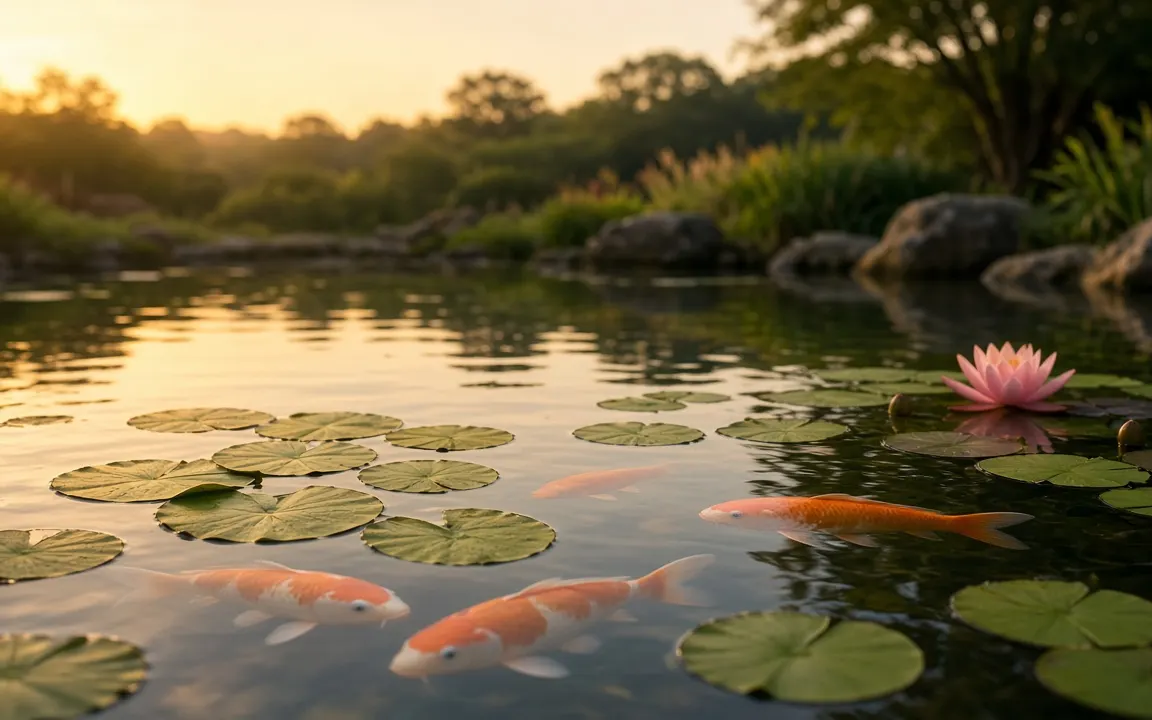
Iowa, the United States
Fish & Koi Cremation in Iowa: what to know
Many children across Iowa have a goldfish or betta as their first pet, and its death is often their first real loss. A small goodbye, such as a garden burial with a painted stone or a planter on the windowsill, helps more than a quick flush. For larger fish, cremation gives families something to keep.
Finding someone to cremate a fish in Iowa usually starts with your vet or a local pet crematory, but it's worth asking directly whether they accept fish, because not all do. Fish stores and koi clubs across Iowa often know which providers other keepers trust. Freezing your fish first means none of this has to be rushed.
We cover 27 communities in Iowa, from Des Moines, Cedar Rapids and Davenport to smaller towns. Conditions vary a lot across Iowa: summer highs reach about 88°F in Council Bluffs, while winter lows average 7°F in Mason City. In 100% of the Iowa communities we cover, average lows drop below freezing for three months or more, which matters for home burial.

Every Iowa community we cover
Choose your city or town for local prices, weather and timing, and rules. 27 communities in Iowa, largest first below.
Cremation habits in Iowa, and what they mean for a fish
In Iowa, with a human cremation rate around 63.6%[1], habits often split by generation. Grandparents may remember burying a goldfish in a matchbox at the bottom of the garden; younger keepers who rent or move often lean toward cremation or a planter. Both instincts are sound. If the family can't agree, the fish's size makes a fair tiebreaker: the bigger and older the fish, the more a cremation tends to make sense.
The cremation figure for Iowa comes from NFDA 2024 Cremation & Burial Report state projections (via Occasional Sage) (2024). It counts people, not pets, so treat it as a guide to local attitudes rather than a pet statistic.
Fish cremation prices for Iowa families
Many Iowa families arrange a fish's cremation through their vet, which is convenient but not always the cheapest route. In a US survey, 48.8%[2] of pet owners named their veterinary team as their main source of advice on pet death. You can also call a crematory directly and compare. For a fish, the difference between two quotes is often a collection fee you don't need.
By our estimate, private cremation costs about twice as much as communal[3] across the markets we track, and for a fish that gap deserves a moment's thought. The extra pays for your own fish's ashes to come back to you. With a koi, that buys a few ounces for a small urn. With a neon tetra, it may buy very little. Ask any Iowa provider what they would return, then decide whether the difference is worth it. The cost calculator lays out both routes side by side.
| Service | Typical US price | Which fish it suits |
|---|---|---|
| Communal cremation, pets up to 30 lb | $45 to $75 | Any fish, when ashes aren't needed |
| Private cremation, pets up to 30 lb | $100 to $175 | Koi, pond goldfish, large tropicals |
| Water cremation (aquamation) | $80 to $450 | Any size, where offered |
| Source | CareCredit cost guide; Embrace Pet Insurance | Excludes collection, urns and keepsakes |

Free tool
Cremation cost calculator
Estimate a realistic price range for your pet's size, location and the type of cremation.
Rules worth knowing in Iowa
Fish aftercare touches fewer rules than a dog or horse, but a few are worth knowing. Burying on rented land needs the owner's agreement. Scattering ashes into open water can need permission from whoever manages it. And releasing live fish, or pouring out a pond, is illegal in many places because of invasive species. Here's the local picture for Iowa.
- Burial at home: Confirm the rule for the actual parcel and proposed burial with the local authority and property owner.
- Scattering ashes: Ask the exact land manager about scattering before making arrangements; a general gathering permission is a separate matter.
- Who oversees it: the authority responsible for the specific activity and location; this guide does not identify a universal permit or licensing rule
- Worth knowing: Record the service method, release authority, identification and return instructions in writing.
A city's population does not establish which aftercare activities are allowed at an address. Check the actual site and activity before proceeding.
County and city offices set many of the local rules. To find yours, start with the official Iowa local government directory.
A checklist for Iowa fish keepers
- Net your fish out gently and rest it on a soft cloth while you think.
- Freeze it the same day, wrapped and sealed in a bag. Once frozen, a fish will keep for weeks, and there's no more rush.
- Work out its size: a provider will want the length from nose to tail fork and an approximate weight, so take both now.
- Tell the family, including children, in simple honest words. Avoid a quiet swap for a lookalike.
- Compare two options, for example a private cremation with a small urn and a garden burial under a new plant.
- Book your choice and ask how your fish will be identified from drop-off to return.
Memorials that suit a fish
For a small tank fish, the memorial can be as simple as keeping its favorite ornament, framing a photo or planting something in a pot on the windowsill. Children often like to paint a stone or draw a picture to bury with the fish. None of these depend on ash, so they suit even the tiniest fish.
If Iowa is not quite where you are, all locations has the rest. Otherwise the services page, the tools and the poll results are the useful next stops.

Reader polls
What would you choose?
Vote anonymously and see how other readers answered. The results are live counts from people who visit this site, so they show real opinions, not a scientific sample.
Before reading about it, what did you think happens to a flushed fish?
Tap an answer to vote and see how others answered. Anonymous.
Was a fish your child's first pet?
Tap an answer to vote and see how others answered. Anonymous.
If you had to decide today, which aftercare would you choose for your pet?
Tap an answer to vote and see how others answered. Anonymous.

Free tools to help you plan
Cremation cost calculator
Estimate a realistic price range for your pet's size, location and the type of cremation.
Ashes weight estimator
See roughly how much ash to expect back, by species and body weight.

Aftercare options compared
Compare private, communal and water cremation with burial on cost, timing and what comes home.
Questions people ask
Do pet crematories in Iowa accept fish?
Many do, particularly for larger fish such as koi and pond goldfish. Some decline very small fish because there's nothing meaningful to return, or offer communal cremation or a symbolic return instead. Call ahead with your fish's length and weight and ask what they'd expect to give back.
What's the cheapest respectful goodbye for a fish in Iowa?
A garden or planter burial costs almost nothing and gives you a place to visit. If you'd rather not bury, ask your vet whether they include small pets in a communal cremation, usually the lowest-cost cremation available. A photo or plant memorial needs no ash at all.
Who can take my remaining fish if I give up the pond in Iowa?
Ask aquarium shops, pond societies, rehoming groups and keepers you know. Some shops take fish for store credit or simply for free. Releasing them into open water is restricted in many places, however suitable it looks, because pet fish bring diseases and unbalance native wildlife.
Can I bury a fish in my garden in Iowa?
Usually yes, on land you own, with sensible care: wrap the fish in paper or cotton and keep well away from ponds, streams and wells. Local rules can be stricter, and landlords may object. A large planter with a new plant is a good alternative.
Why do pond fish die in hot weather in Iowa?
Warm water holds less oxygen, and on hot, still nights levels drop lowest around dawn. In hot parts of Iowa, such as Council Bluffs where summer highs average about 88°F, an air pump or fountain helps, and a dead fish should be removed and frozen promptly.
Is it legal to flush or release a fish in Iowa?
Releasing live fish into the wild is restricted in many places because non-native fish can spread disease and harm native species. Flushing a dead fish isn't a good idea either, as not all wastewater is fully treated. Freeze the fish and choose a burial or cremation instead.

Sources and our estimates
- [1] The NFDA projected Iowa's cremation rate at 63.6% for 2024. NFDA 2024 Cremation & Burial Report state projections (via Occasional Sage), 2024.
- [2] 48.8% of US pet owners named their veterinary team as their primary resource for recommendations on pet death and dying. Cooney, Kogan, Brooks, Ellis - Pet Owners' Expectations for Pet End-of-Life Support and After-Death Body Care, Topics in Companion Animal Medicine (2020), 2020.
- [3] The median price multiple of private (ashes returned) over communal cremation across 8 markets is about 2.0x, ranging from 1.25x (Tokyo) to 5.2x (Auckland). Our estimate: median(private_price / communal_price) same weight band: US CareCredit 51-70 lb midpoints (250/75) = 3.33x; Auckland 15-25 kg (445/85) = 5.24x; Norway 1-20 kg (3790/1190) = 3.18x; Singapore 10-20 kg (480/260) = 1.85x; Ontario 25-250 lb (549/279) = 1.97x; Tokyo 20-30 kg (38500/30800) = 1.25x; France 20 kg midpoints (200/95) = 2.11x; Germany range midpoints (270/145) = 1.86x. How we calculate.
Find an Iowa provider that accepts fish
Tell us what you need and where you are. We'll reply by email with clear options and prices so you can decide in your own time.