Fish & Koi Cremation in Hiroshima
Whether it was a prize koi or a goldfish from the school fair, you deserve a clear answer. Here's what fish aftercare looks like in Hiroshima, step by step.
- Freezer tips so nothing is rushed
- Private or communal cremation explained
- Help keeping the rest of the pond safe
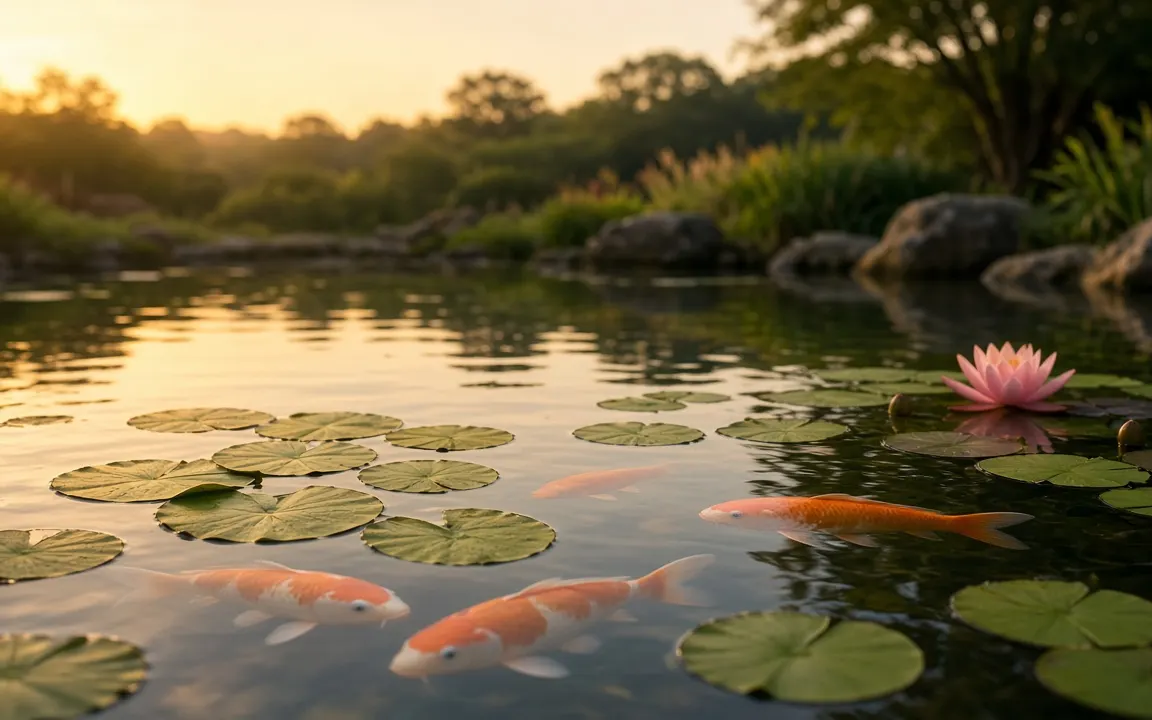
Hiroshima, Japan
Fish & Koi Cremation in Hiroshima: what to know
Across Hiroshima, many families keep garden ponds, and pond losses tend to cluster at the turn of the seasons: the first hot spell, when warm water holds less oxygen, and the spring thaw, when fish start feeding again in water full of winter waste. Testing the water the day a fish dies protects the rest of the pond.
Many children across Hiroshima have a goldfish or betta as their first pet, and its death is often their first real loss. A small goodbye, such as a garden burial with a painted stone or a planter on the windowsill, helps more than a quick flush. For larger fish, cremation gives families something to keep.
We cover 1 community in Hiroshima, from Hiroshima.

Every Hiroshima community we cover
Choose your city or town for local prices, weather and timing, and rules. 1 communities in Hiroshima, largest first below.
Cremation habits in Hiroshima, and what they mean for a fish
Cremation is the everyday choice in Hiroshima: about 99.97%[1] of people who die there are cremated. That familiarity tends to carry over to pets, and it helps fish owners too. Crematories here are used to small animals, so asking about a koi or a goldfish rarely raises an eyebrow. Where it can get awkward is the tiniest fish, and a provider that's honest about how little ash a betta leaves is worth choosing over one that simply takes your money.
That Hiroshima rate is a human statistic published by Cremation Society of Great Britain, International Cremation Statistics 2023 (2023); there is no pet equivalent, so we use it as a signal of how families here already think.
Paying for a fish's goodbye in Hiroshima
In Hiroshima, small-pet cremation is widely available where pet funeral services exist, and many providers offer a short farewell as part of the package. For a fish, confirm they accept aquatic pets and ask what will be returned. The table shows published small-pet prices from Singapore, Hong Kong and Tokyo as a guide.
Aquarium keeping is popular across much of Asia, from arowana and koi to goldfish and bettas. For a large fish near Hiroshima, individual cremation at the small-pet rate is realistic. For a very small fish, ask about communal cremation or a symbolic return, and compare what each includes before you pay.
| Place | Communal | Individual |
|---|---|---|
| Tokyo (pet under 5 kg) | JPY 14,300 | JPY 22,000 |
| Singapore (cat under 5 kg) | SGD 160 | SGD 280 |
| Hong Kong (1–5 kg pet) | n/a | HKD 1,300 |
Free tool
Cremation cost calculator
Estimate a realistic price range for your pet's size, location and the type of cremation.
Burial, scattering and release rules in Hiroshima
Rules about pets after death are set locally, and fish are usually covered by the same rules as other small pets. Garden burial is often allowed on land you own, with limits near wells and water. Scattering ashes directly into lakes and rivers may need permission. Releasing live fish into the wild is restricted in many places, and some ban releasing goldfish outright.
Japan is where ornamental koi, nishikigoi, were first bred, and pet funeral culture is well established, with many providers offering a short ceremony. Legally, deceased pets are treated as waste, and it's illegal to bury animals in public places such as parks. For a fish, a pet memorial service can offer individual or communal cremation for pets under 5 kg.
A calm plan for a fish's aftercare
- Check whether it's really gone. A fish found on the floor after jumping can sometimes recover if the gills still move; return it to the aquarium at once.
- If it has died, use a damp cloth to lift it carefully; dried-out skin tears at the slightest pull.
- Stop the next jump: fit a tight lid, close gaps around cables and lower the water line an inch.
- Look for a reason. Fish jump from poor water, bullying tank mates or a sudden fright, so test the water and watch the others.
- Freeze your fish in a labeled bag, wrapped in cloth, and take your time over the decision.
- Pick a goodbye that suits its size, whether that's a planter on the windowsill or private cremation for a big arowana.
Remembering your fish in Hiroshima
Some families in Hiroshima scatter a koi's ashes around a favorite tree, under the waterfall's edge stones or in a flower bed where the fish could be seen from the house. If you'd like to use a public park or lake, check the rules first and choose a quiet, respectful spot away from paths.
Compare every option on our services page, try the free planning tools or see how other readers answered in our polls. You can also go back to all locations.

Reader polls
What would you choose?
Vote anonymously and see how other readers answered. The results are live counts from people who visit this site, so they show real opinions, not a scientific sample.
Which memorial feels right for a fish?
Tap an answer to vote and see how others answered. Anonymous.
How long had you kept the fish you lost, or your oldest fish now?
Tap an answer to vote and see how others answered. Anonymous.
If you had to decide today, which aftercare would you choose for your pet?
Tap an answer to vote and see how others answered. Anonymous.

Free tools to help you plan
Cremation cost calculator
Estimate a realistic price range for your pet's size, location and the type of cremation.
Ashes weight estimator
See roughly how much ash to expect back, by species and body weight.

Aftercare options compared
Compare private, communal and water cremation with burial on cost, timing and what comes home.
Questions people ask
How many communities do you cover in Hiroshima?
We currently have local fish aftercare guides for 1 communities in Hiroshima, including Hiroshima. Each page covers local weather and timing, prices, rules for burial and scattering, and how to find a provider that accepts fish.
Where can I find out why my fish died in Hiroshima?
An aquatic vet is the best first stop, and pond clubs or aquarium shops generally know one. Some university vet schools and fish health labs also examine samples. Keep the body chilled in the fridge rather than frozen and call quickly, since ice crystals ruin the tissue a pathologist needs. Knowing the cause can protect the fish you still have.
Can I bury a fish in my garden in Hiroshima?
Usually yes, on land you own, with sensible care: wrap the fish in paper or cotton and keep well away from ponds, streams and wells. Local rules can be stricter, and landlords may object. A large planter with a new plant is a good alternative.
Can I scatter my koi's ashes in a lake or river in Hiroshima?
It depends on who manages the water, and some public waters require permission. Scattering around your own pond, in the garden rather than into the water, avoids the question and keeps the memorial close. If you use a public place, choose a quiet spot and check the rules first.
Who can take my remaining fish if I give up the pond in Hiroshima?
Ask aquarium shops, pond societies, rehoming groups and keepers you know. Some shops take fish for store credit or simply for free. Releasing them into open water is restricted in many places, however suitable it looks, because pet fish bring diseases and unbalance native wildlife.
What's the cheapest respectful goodbye for a fish in Hiroshima?
A garden or planter burial costs almost nothing and gives you a place to visit. If you'd rather not bury, ask your vet whether they include small pets in a communal cremation, usually the lowest-cost cremation available. A photo or plant memorial needs no ash at all.

Sources and our estimates
- [1] In 2023, 99.97% of deaths in Japan were cremated (1364 crematoria). Cremation Society of Great Britain, International Cremation Statistics 2023, 2023.
- [2] Private cremation cost per pound falls with size in the US: roughly $9.2/lb for a 15 lb pet, $4.2/lb at 60 lb and about $4.0/lb at 100 lb. Our estimate: band midpoint price / representative weight: 0-30 lb (midpoint $137.50 / 15 lb) = $9.17/lb; 51-70 lb ($250 / 60 lb) = $4.17/lb; over 90 lb ($400 / ~100 lb) = $4.00/lb. How we calculate.
Tell us about your fish
Tell us what you need and where you are. We'll reply by email with clear options and prices so you can decide in your own time.